Margins




548 Market St PMB 65688, San Francisco California 94104-5401 USA
© 2026 Paratext Inc. All rights reserved
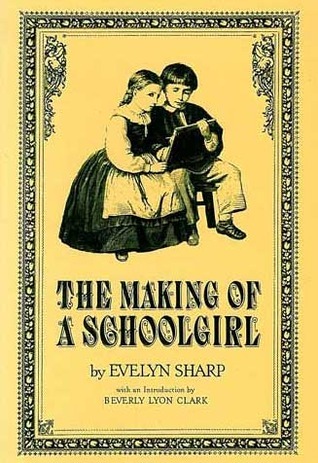
Triply excluded from the literary canon—for being classified as children's literature, for being classified within children's literature as a school story, and for being, moreover, a school story about girls—Evelyn Sharp's The Making of a Schoolgirl (1897) has too long languished in obscurity. This gem of a novel sparkles with ironic wit, offers keen insights into relationships with family and friends, and undermines patriarchal conventions while paradoxically finding sustenance in them. Beverly Lyon Clark's introduction to this new edition of the novel discusses how Sharp—later a leader in the suffrage movement—explores the conflicting pulls of school and family and probes the sexual politics of what it meant to grow up female in late-Victorian England. Becky, the heroine of the novel, learns about girls' schools from her brother Jack, who, while castigating girls for putting lessons before larks, at the same time criticizes them for not knowing the meaning of hard work. Sharp's irony enables her to endorse Becky's affection for Jack even as she subverts the patriarchal values he propounds. This masterpiece remains today as compelling for adults as for children.