Margins




548 Market St PMB 65688, San Francisco California 94104-5401 USA
© 2026 Paratext Inc. All rights reserved
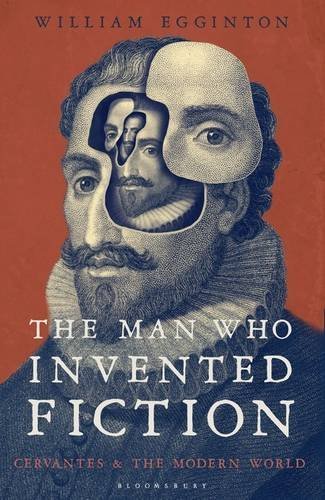
'In 1605 a crippled, greying, almost toothless veteran of Spain's wars against the Ottoman Empire published a book. That book, Don Quixote, went on to sell more copies than any other book beside the Bible, making its author, Miguel de Cervantes, the most widely read author in human history. Cervantes did more than just publish a bestseller, though. He invented a way of writing.' In Cervantes' time, 'fiction' was synonymous with a lie. Books were either history, and true, or 'poetry' which might be invented, but had to conform to strict principles. Don Quixote tells the story of a poor nobleman, addled from reading too many books on chivalry, who deludes himself that he is a knight errant and sets off to put the world to rights. The book was hugely entertaining, broke the existing rules, devised a new set and, in the process, created a new, modern hybrid form we know today as the novel. The Man Who Invented Fiction explores Cervantes' life and the world he lived in, showing how his life and influences converged in his work, and how his work - especially Don Quixote - radically changed the nature of literature and created a new way of viewing the world. Finally, it explains how that worldview went on to infiltrate art, politics and science, and how the world today would be unthinkable without it.