Margins
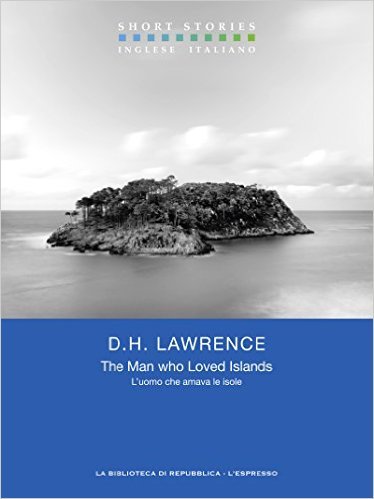
The Man Who Loved Islands book cover
The Man Who Loved Islands
Sixteen Stories (riverrun editions) by D H Lawrence
1927
First Published
3.58
Average Rating
86
Number of Pages
'Everyone who met him commented on the arresting power of Lawrence's bright and sharp blue eyes, and the beard he later grew would be as red as a fox's brush, but it was not his appearance that Ford was describing. It was his menace' Frances Wilson, from her Introduction to The Man Who Loves Islands————————————————————————The Man Who Loved Islands presents Lawrence's skilled, intimate and lively portraits of humanity. In the title story a man buys a ninety-nine year lease on an island and finds himself cast off in its timeless world; in 'The Last Laugh' a couple are confronted with uncanny spectral visions, and an eerie faceless laugh; in 'The Fox' two women maintaining a farm feel the dark shadows of war, and a cunning creature threatens to destroy their livelihood. The stories in this collection are about what the characters know and do not know - about themselves, one another, and the circumambient universe.

Avg Rating
3.58
Number of Ratings
502
5 STARS
16%
4 STARS
39%
3 STARS
34%
2 STARS
9%
1 STARS
2%
goodreads

Author

D.H. Lawrence
D.H. Lawrence
Author · 183 books

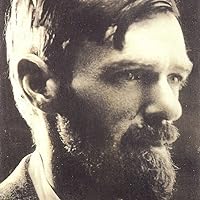
David Herbert Richards Lawrence was an English writer of the 20th century, whose prolific and diverse output included novels, short stories, poems, plays, essays, travel books, paintings, translations, literary criticism, and personal letters. His collected works represent an extended reflection upon the dehumanizing effects of modernity and industrialisation. In them, Lawrence confronts issues relating to emotional health and vitality, spontaneity, human sexuality and instinct. Lawrence's opinions earned him many enemies and he endured official persecution, censorship, and misrepresentation of his creative work throughout the second half of his life, much of which he spent in a voluntary exile he called his "savage pilgrimage." At the time of his death, his public reputation was that of a pornographer who had wasted his considerable talents. E. M. Forster, in an obituary notice, challenged this widely held view, describing him as "the greatest imaginative novelist of our generation." Later, the influential Cambridge critic F. R. Leavis championed both his artistic integrity and his moral seriousness, placing much of Lawrence's fiction within the canonical "great tradition" of the English novel. He is now generally valued as a visionary thinker and a significant representative of modernism in English literature. http://en.wikipedia.org/wiki/D.H.\_Law...

548 Market St PMB 65688, San Francisco California 94104-5401 USA
© 2026 Paratext Inc. All rights reserved