Margins




548 Market St PMB 65688, San Francisco California 94104-5401 USA
© 2026 Paratext Inc. All rights reserved
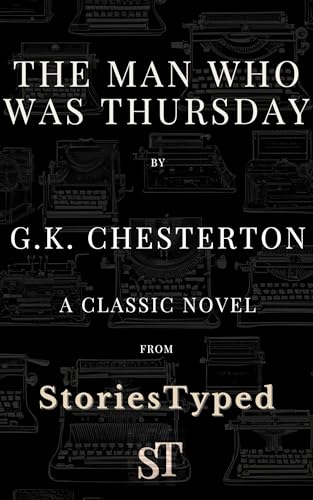
A detective story like no other—thrilling, surreal, and profoundly moving. First published in 1908, The Man Who Was A Nightmare remains G.K. Chesterton’s most famous novel—a dazzling mix of political thriller, spiritual allegory, and dreamlike adventure. Gabriel Syme, a poet-turned-policeman, infiltrates a secret council of anarchists, only to discover that nothing is what it seems. What begins as a battle against chaos becomes a startling meditation on order, faith, and the mystery of good and evil. Chesterton, best known as the creator of the beloved Father Brown stories, here delivers a work that continues to inspire writers from C.S. Lewis and Jorge Luis Borges to Neil Gaiman and Terry Pratchett. This StoriesTyped Annotated Edition newly written essay exploring Chesterton’s life, faith, and lasting influence A reader’s guide to his complete works, themes, and recommended reading order Clean, modern formatting for Kindle readers