Part of Series

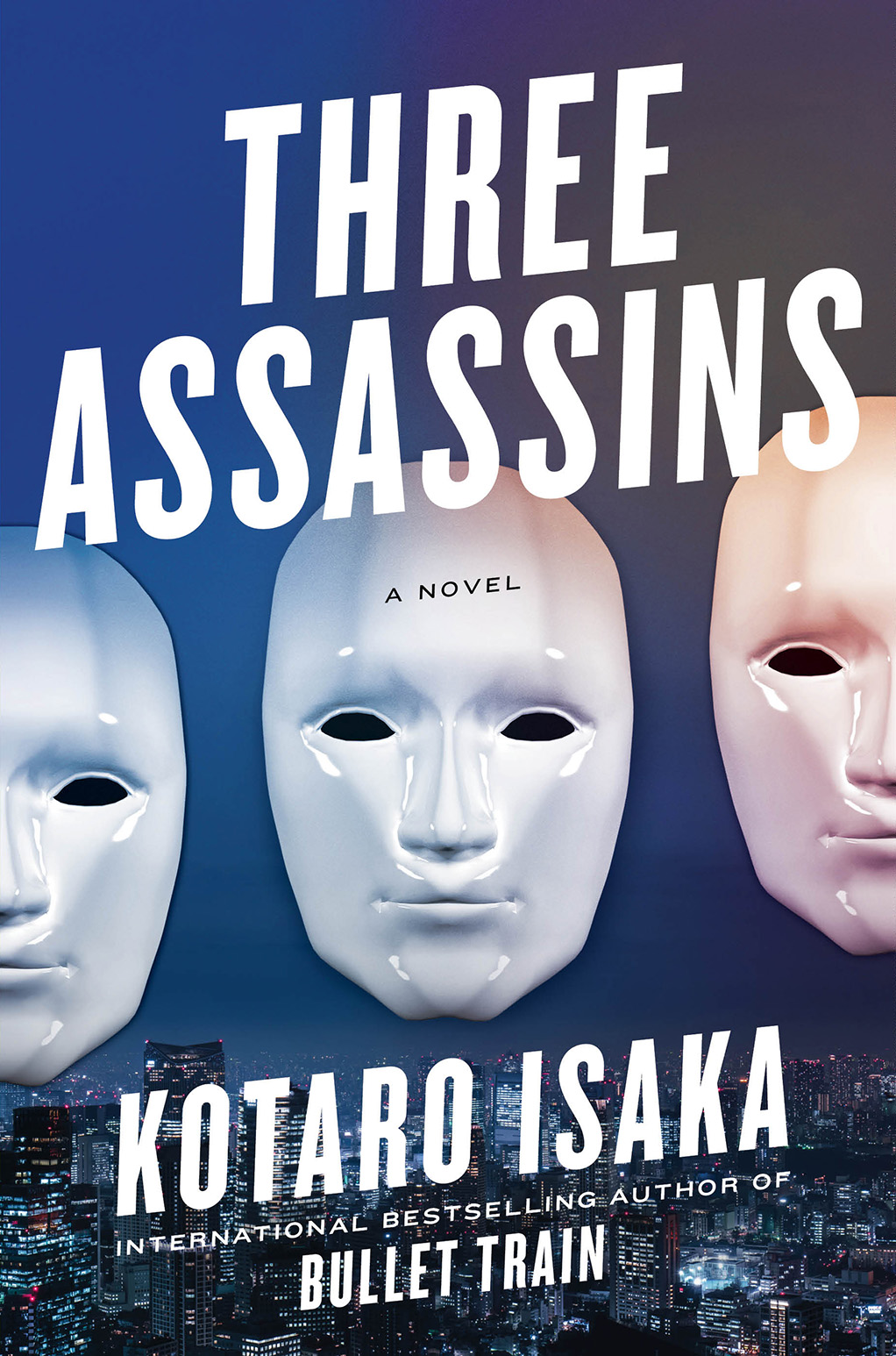
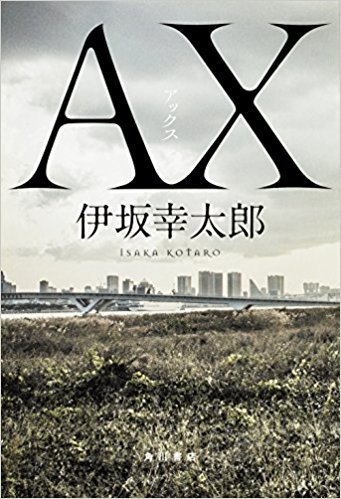
From the internationally bestselling author of Bullet Train and Three Assassins, a propulsive new thriller set in Tokyo’s criminal underworld about the intrigue and tensions a family man faces as he tries to hide his secret life as a hitman. Kabuto is a highly skilled assassin eager to escape his dangerous profession and the hold his handler, the sinister Doctor, has over him. The Doctor, a real physician who hands over Kabuto’s targets as “prescriptions” in his regular appointments with him, doesn’t want to lose Kabuto as a profitable asset, but he agrees to let him pay his way out of his employment with a few last jobs. Only the most lucrative jobs involve taking out other professional assassins, and Kabuto’s final assignment puts him and his family—who have no idea about his double life—in danger. The third book in a loose trilogy set in Kotaro Isaka’s imagined Tokyo criminal underworld, The Mantis features all the hallmarks of his work that readers have come to crave—assassins with quirky codenames and modi operandi, page-turning action sequences, madcap energy, and razor-sharp humor—making the novel a frenetic, unputdownable read that hurtles readers toward a thrilling climax.
Author

Kōtarō Isaka (伊坂幸太郎, Isaka Koutarou) is a Japanese author of mystery fiction. Isaka was born in Matsudo City, Chiba Prefecture, Japan. After graduating from the law faculty of Tohoku University, he worked as a system engineer. Isaka quit his company job and focused on writing after hearing Kazuyoshi Saito's 1997 song "Kōfuku na Chōshoku Taikutsu na Yūshoku", and the two have collaborated several times. In 2000, Isaka won the Shincho Mystery Club Prize for his debut novel Ōdyubon no Inori, after which he became a full-time writer. In 2002, Isaka's novel Lush Life gained much critical acclaim, but it was his Naoki Prize-nominated work Jūryoku Piero (2003) that brought him popular success. His following work Ahiru to Kamo no Koin Rokkā won the 25th Yoshikawa Eiji Prize for New Writers. Jūryoku Piero (2003), Children (2004), Grasshopper (2004), Shinigami no Seido (2005) and Sabaku (2006) were all nominated for the Naoki Prize. Isaka was the only author in Japan to be nominated for the Hon'ya Taishō in each of the award's first four years, finally winning in 2008 with Golden Slumber. The same work also won the 21st Yamamoto Shūgorō Prize.