Margins




548 Market St PMB 65688, San Francisco California 94104-5401 USA
© 2026 Paratext Inc. All rights reserved
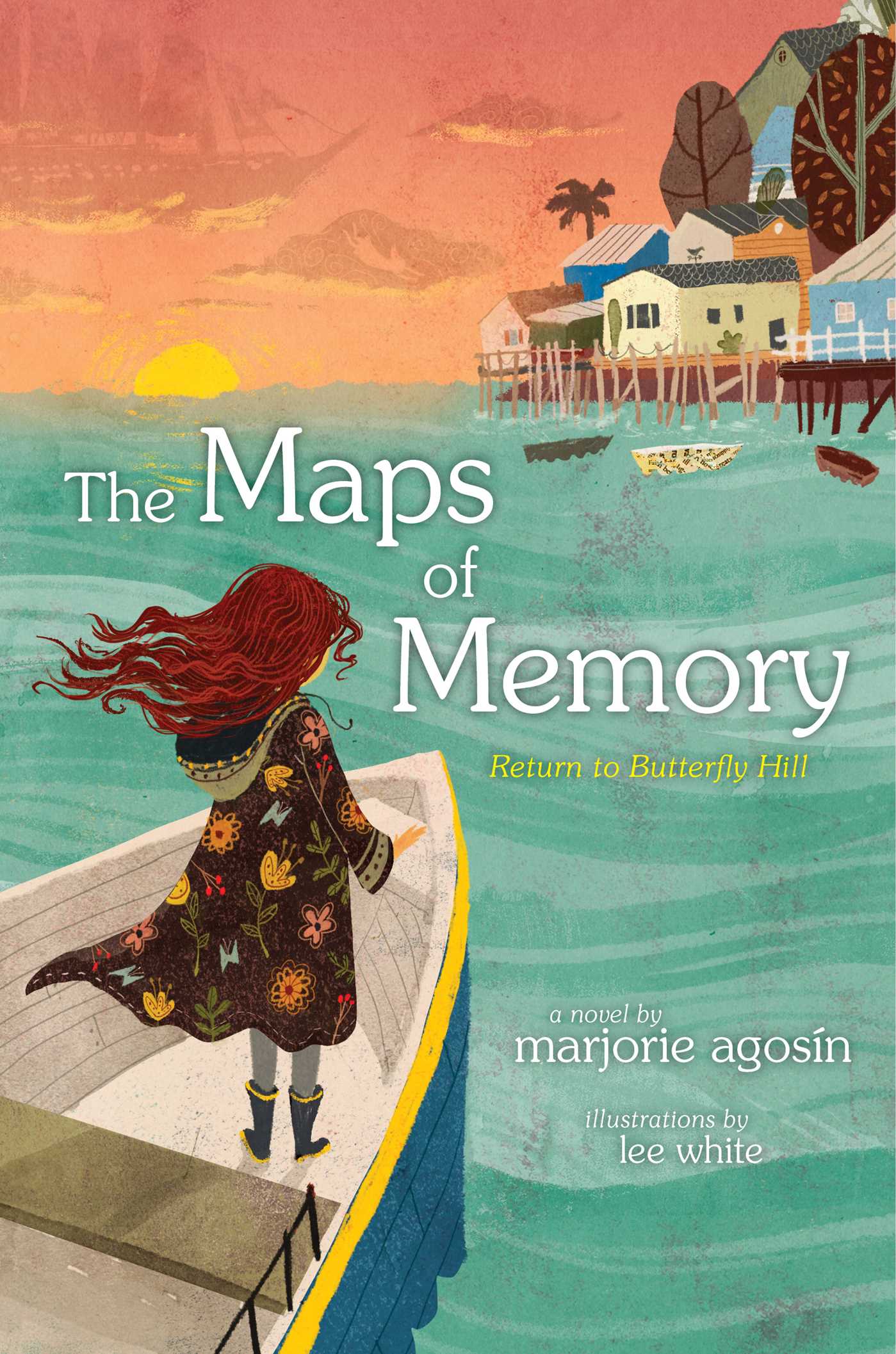
In this inspiring sequel to the Pura Belpré Award–winning, “dazzling and insightful” ( BCCB ) I Lived on Butterfly Hill, thirteen-year-old Celeste Marconi returns home to a very different Chile and makes it her mission to rebuild her community, and find those who are still missing. During Celeste Marconi’s time in Maine, thoughts of the brightly colored cafes and salty air of Valparaíso, Chile, carried her through difficult, homesick days. Now, she’s finally returned home to find the dictatorship has left its mark on her once beautiful and vibrant community. Celeste is determined to help her beloved Butterfly Hill get back to the way it was and to encourage her neighbors to fight to regain what they’ve lost. More than anything, Celeste wishes she could bring back her best friend, Lucilla, who was one of many to disappear during the dictatorship. Celeste tries to piece together what happened, but it all seems too big to fix—until she receives a letter that changes everything. When Celeste sets off on her biggest adventure yet, she’ll uncover more heartbreaking truths of what her country has endured. But every small victory makes a difference, and even if Butterfly Hill can never be what it was, moving forward and healing can make it something even better.