Margins




548 Market St PMB 65688, San Francisco California 94104-5401 USA
© 2026 Paratext Inc. All rights reserved
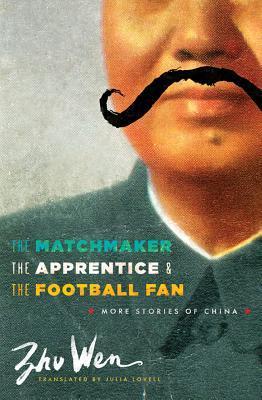
The Matchmaker, the Apprentice, and the Football Fan moves between anarchic campuses, maddening communist factories, and the victims of China's economic miracle to showcase the absurdity, injustice, and socialist Gothic of everyday Chinese life. In "The Football Fan," readers fall in with an intriguingly unreliable narrator who may or may not have killed his elderly neighbor for a few hundred yuan. The bemused antihero of "Reeducation" is appalled to discover that, ten years after graduating during the pro-democracy protests of 1989, his alma mater has summoned him back for a punitive bout of political reeducation with a troublesome ex-girlfriend. "Da Ma's Way of Talking" is a fast, funny recollection of China's picaresque late 1980s, told through the life and times of one of our student narrator's more controversial classmates; while "The Apprentice" plunges us into the comic vexations of life in a more-or-less planned economy, as an enthusiastic young graduate is over-exercised by his table-tennis-fanatic bosses, deprived of sleep by gambling-addicted colleagues, and stuffed with hard-boiled eggs by an overzealous landlady. Full of acute observations, political bite, and piercing insight into friendships and romance, these stories further establish Zhu Wen as a fearless commentator on human nature and contemporary China.