Margins




548 Market St PMB 65688, San Francisco California 94104-5401 USA
© 2026 Paratext Inc. All rights reserved
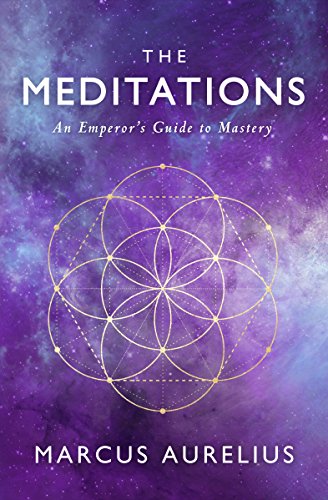
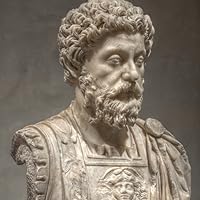
How to think clearly, act purposefully, overcome obstacles, and find peace & happiness along the way. Marcus Aurelius (121-180 CE) was one of the few true philosopher-kings in history. His father died when Marcus was three. At age fifteen, he was adopted by his aunt's husband, the future Emperor Antoninus Pius, putting him in the line of succession. At forty, he became a reluctant emperor of the Roman Empire. Marcus was conflicted because the demands of being emperor—on top of the temptations of wealth and power—seemed incompatible with his true to be a humble student of philosophy. Over time, though, he worked out a practical philosophy that kept him grounded amidst the stresses and excesses of palace life. That's why his philosophy is so relevant to us today, in the modern world. How did he fare as emperor? During his twenty years of service, Marcus earned the love of the people and the loyalty of the senate. Later historians called him "the last of the five good emperors." In spare moments, Marcus wrote the journal entries collected in The Meditations . They were not intended for publication, but to remind Marcus himself of his principles and priorities. As a result, they are intimate, direct, and extremely useful. This new edition of The Meditations is an interpretive paraphrase in contemporary English, with a foreword, by bestselling author Sam Torode. (It’s based on the 1862 translation by George Long.) A companion volume, The Manual of Epictetus, is also available from Ancient Renewal.