Margins


548 Market St PMB 65688, San Francisco California 94104-5401 USA
© 2026 Paratext Inc. All rights reserved
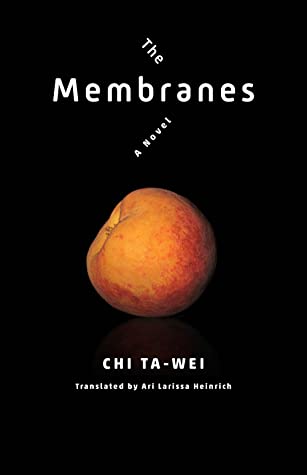
It is the late twenty-first century, and Momo is the most celebrated dermal care technician in all of T City. Humanity has migrated to domes at the bottom of the sea to escape devastating climate change. The world is dominated by powerful media conglomerates and runs on exploited cyborg labor. Momo prefers to keep to herself, and anyway she's too busy for other relationships: her clients include some of the city's best-known media personalities. But after meeting her estranged mother, she begins to explore her true identity, a journey that leads to questioning the bounds of gender, memory, self, and reality. First published in Taiwan in 1995, The Membranes is a classic of queer speculative fiction in Chinese. Chi Ta-wei weaves dystopian tropes—heirloom animals, radiation-proof combat drones, sinister surveillance technologies—into a sensitive portrait of one young woman's quest for self-understanding. Predicting everything from fitness tracking to social media saturation, this visionary and sublime novel stands out for its queer and trans themes. The Membranes reveals the diversity and originality of contemporary speculative fiction in Chinese, exploring gender and sexuality, technological domination, and regimes of capital, all while applying an unflinching self-reflexivity to the reader's own role. Ari Larissa Heinrich's translation brings Chi's hybrid punk sensibility to all readers interested in books that test the limits of where speculative fiction can go.
Ships within a few days. US addresses only.