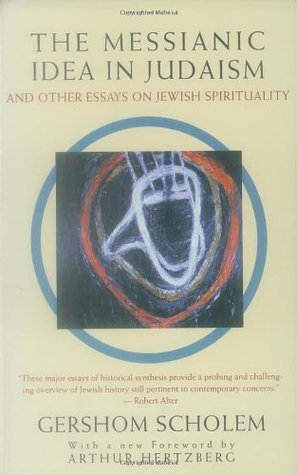



Gershom Scholem, who created the field of Kabbalah studies as a scholarly discipline, gradually came to see the complex relationship between Jewish mysticism and Messianism. This relationship is important not only for an appreciation of the mystic and Messianic movements but for Jewish history in general. Scholem clarifies the Messianic concept and analyzes its transformation in the Kabbalah up to the paradoxical versions it assumed in the Sabbatian and Frankist movement, in which sin became a vehicle of redemption.
Author

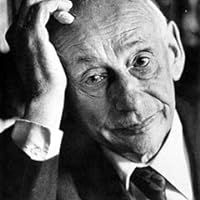
Gerhard Scholem who, after his immigration from Germany to Israel, changed his name to Gershom Scholem (Hebrew: גרשם שלום), was a German-born Israeli philosopher and historian. He is widely regarded as the founder of the modern, academic study of Kabbalah, becoming the first Professor of Jewish Mysticism at the Hebrew University of Jerusalem. His close friends included Walter Benjamin and Leo Strauss, and selected letters from his correspondence with those philosophers have been published. Scholem is best known for his collection of lectures, Major Trends in Jewish Mysticism (1941) and for his biography Sabbatai Zevi, the Mystical Messiah (1973). His collected speeches and essays, published as On Kabbalah and its Symbolism (1965), helped to spread knowledge of Jewish mysticism among non-Jews.