



Margins
The Nun book cover
The Nun
1796
First Published
3.75
Average Rating
198
Number of Pages

Diderot's The Nun (La Religieuse) is the seemingly true story of a young girl forced by her parents to enter a convent and take holy orders. A novel mingling mysticism, madness, sadistic cruelty and nascent sexuality, it gives a scathing insight into the effects of forced vocations and the unnatural life of the convent. A succès de scandale at the end of the eighteenth century, it has attracted and unsettled readers ever since. For Diderot's novel is not simply a story of a young girl with a bad habit; it is also a powerfully emblematic fable about oppression and intolerance. This new translation includes Diderot's all-important prefatory material, which he placed, disconcertingly, at the end of the novel, and which turns what otherwise seems like an exercise in realism into what is now regarded as a masterpiece of proto-modernist fiction.
Avg Rating
3.75
Number of Ratings
8,698
5 STARS
25%
4 STARS
38%
3 STARS
27%
2 STARS
8%
1 STARS
2%
goodreads

Author

Denis Diderot
Denis Diderot
Author · 45 books

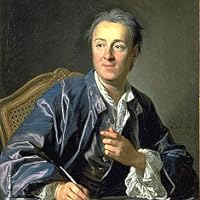
Work on the Encyclopédie (1751-1772), supreme accomplishment of French philosopher and writer Denis Diderot, epitomized the spirit of thought of Enlightenment; he also wrote novels, plays, critical essays, and brilliant letters to a wide circle of friends and colleagues. Jean le Rond d'Alembert contributed. This artistic prominent persona served as best known co-founder, chief editor, and contributor. He also contributed notably to literature with Jacques le fataliste et son maître (Jacques the Fatalist and his Master), which emulated Laurence Sterne in challenging conventions regarding structure and content, while also examining ideas about free will. Diderot also authored of the known dialogue, Le Neveu de Rameau (Rameau's Nephew), basis of many articles and sermons about consumer desire. His articles included many topics. Diderot speculated on free will, held a completely materialistic view of the universe, and suggested that heredity determines all human behavior. He therefore warned his fellows against an overemphasis on mathematics and against the blind optimism that sees in the growth of physical knowledge an automatic social and human progress. He rejected the idea of progress. His opinion doomed the aim of progressing through technology to fail. He founded on experiment and the study of probabilities. He wrote several articles and supplements concerning gambling, mortality rates, and inoculation against smallpox. He discreetly but firmly refuted technical errors and personal positions of d'Alembert on probability.

548 Market St PMB 65688, San Francisco California 94104-5401 USA
© 2026 Paratext Inc. All rights reserved