Margins




548 Market St PMB 65688, San Francisco California 94104-5401 USA
© 2026 Paratext Inc. All rights reserved
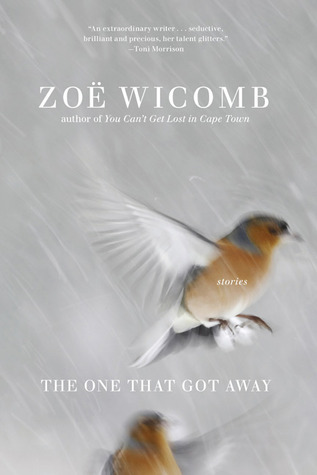
The appearance of Zoë Wicomb’s first set of short stories, You Can’t Get Lost in Cape Town, precipitated the founding of a fan club that has come to include the writers Toni Morrison, J.M. Coetzee, Bharati Mukherjee, and Gayatri Chakravorty Spivak, as well as critics at the New York Times, the Times of London, the Wall Street Journal, the New Yorker, and the Christian Science Monitor. Now, after two novels, Wicomb returns to the genre that first brought her international acclaim. Set mostly in Cape Town and Glasgow, Wicomb’s new collection of short stories straddles dual worlds. An array of characters drawn with extraordinary acuity inhabits a complexly interconnected, twenty-first-century universe. The twelve stories in this collection, most previously unpublished, explore a spectrum of human relationships: marriage, friendship, family ties, and relations with those who serve and are served. Wicomb’s intriguing characters include the adolescent girl Elsie, navigating between her new life in the icy city of Glasgow and her family’s vexed history in South Africa, and Dot and Julie, a pair of friends once united by the color of their skin and now discovering how time and marriage have divided their paths. Wicomb’s fluid, shifting technique questions conventional certainties and makes for exhilarating reading, full of ironic twists, ambiguities, and moments of startling insight. Long awaited, The One That Got Away showcases this brilliant, award-winning author at the height of her powers.