Margins




548 Market St PMB 65688, San Francisco California 94104-5401 USA
© 2026 Paratext Inc. All rights reserved
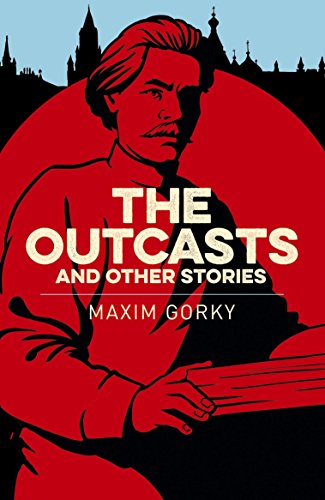
The Outcasts and Other Stories by Maxim Gorky is a poignant collection that encapsulates the struggles, aspirations, and resilience of the lower classes in early 20th-century Russia. Gorky, a significant figure in Russian literature and a precursor to the socialist realism movement, crafts stories that delve into the lives of marginalized individuals, illuminating their experiences with compassion and insight. This collection serves not only as a window into the socio-political landscape of Gorky’s time but also as a timeless exploration of humanity, evoking empathy for those often left voiceless in society. The titular story, "The Outcasts," serves as a microcosm for the entire collection, featuring characters who exist on the fringes of society—people marginalized for various reasons, including poverty, social status, and personal flaws. Gorky portrays their struggles with a deep sense of empathy, capturing the rawness of their emotions and the complexities of their situations. Through vivid descriptions and powerful dialogues, he gives life to characters who are often overlooked, challenging readers to confront their biases and recognize the shared humanity among all individuals, regardless of their station in life. Gorky’s masterful storytelling is evident throughout the collection, as he employs a range of narrative styles and techniques to enhance the emotional impact of his stories. His prose is imbued with realism, yet often carries a lyrical quality that transports readers into the heart of the characters’ experiences. Gorky’s keen observations of human nature, coupled with his ability to delve into the psychological intricacies of his characters, enable readers to connect with their struggles on a profoundly personal level. The collection showcases a range of settings, from the bustling streets of urban life to the somber interiors of working-class homes. In doing so, Gorky paints a comprehensive picture of the societal structures that confine his characters. The stories often reflect themes of poverty, social injustice, and the longing for a better life, all portrayed through the lens of everyday life. Gorky does not shy away from addressing the stark realities of his characters’ existences, often portraying their internal and external conflicts with unflinching honesty. One of the remarkable aspects of Gorky’s writing in this collection is his ability to create pathways for readers to witness change and resilience amidst suffering. His characters, while often facing overwhelming odds, exhibit a sense of hope and determination. Gorky imbues their narratives with a spirit of defiancé, emphasizing the strength found in community and solidarity among the oppressed. The stories resonate with a universal theme of striving for dignity and respect, encouraging readers to reflect on the importance of compassion and understanding toward others.