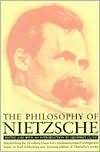
The Philosophy of Nietzsche
1927
First Published
3.73
Average Rating
640
Number of Pages
The selections in this anthology cover a vast range. The reader will find contradiction, ambivalence, ambiguity. But he will also find the insight, the brilliant prose style, the often mordant wit, the impassioned attempt to create human values in a post-Christian world, which have made Nietzsche one of the most relevant of philosophers for contemporary man. Designed to reflect the many facets of Nietzsche's philosophy, these selections exemplify the mind and thought of a man who strove to reconcile the rational and irrational in human nature - and in so doing, to provide a new basis of morality in a world bereft of guideposts.

Avg Rating
3.73
Number of Ratings
33
5 STARS
18%
4 STARS
52%
3 STARS
18%
2 STARS
9%
1 STARS
3%
goodreads
Author

Friedrich Nietzsche
Author · 110 books
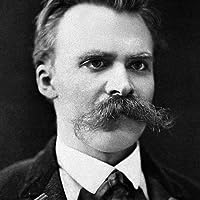
Friedrich Wilhelm Nietzsche (Ph.D., Philology, Leipzig University, 1869) was a German philosopher of the late 19th century who challenged the foundations of Christianity and traditional morality. He was interested in the enhancement of individual and cultural health, and believed in life, creativity, power, and the realities of the world we live in, rather than those situated in a world beyond. Central to his philosophy is the idea of “life-affirmation,” which involves a questioning of all doctrines that drain life's expansive energies, however socially prevalent those views might be. Often referred to as one of the first existentialist philosophers along with Søren Kierkegaard (1813–1855). From the Stanford Encyclopedia of Philosophy