Margins




548 Market St PMB 65688, San Francisco California 94104-5401 USA
© 2026 Paratext Inc. All rights reserved
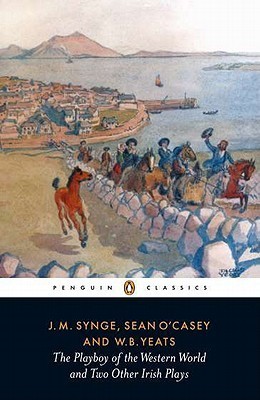
A murderer becomes the toast of the village as his charm negates his crime. A young countess saves her tenants from starvation, but only by selling her soul to the Devil. The sleepy parish of Nyadnanave sees a vision of a cockerel that dares the inhabitants to break the shackles of Church and State. All these plays were met with moral outrage and rioting in their native Ireland. Yeats' 'The Countess Cathleen' (1892), J. M. Synge's 'The Playboy of the Western World' (1907) and O'Casey's 'Cock-a-doodle Dandy' (1949) emerged from a period of traumatic change for Ireland. While the plays bear witness to the immmense social upheavals of the turn of the twentieth century, they also represent a new age of Irish drama that rose from the turmoil, and their lessons ring true to this day.