Margins




548 Market St PMB 65688, San Francisco California 94104-5401 USA
© 2026 Paratext Inc. All rights reserved
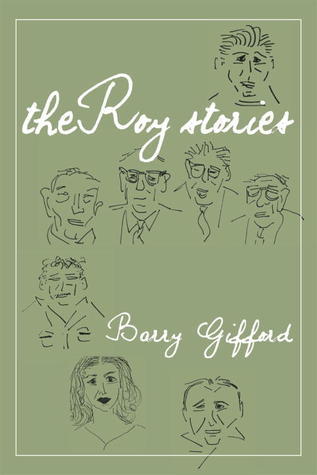
Barry Gifford has been writing gritty, American tales for the past forty years. His novels, stories, poetry, and films have helped shape the American neo-noir genre. The New York Times Book Review says that he "can sum up in a few words the cruelty, horror, and crushing banality that shape an entire life.” Andrei Codrescu calls Gifford “a great comic realist,” while Pedro Almodóvar likens him to the surrealist filmmaker Luis Buñuel, and Jonathan Lethem describes his style as “William Faulkner by way of B-movie film noir, porn paperbacks, and Sun Records rockabilly.” In The Roy Stories Gifford brings his signature style to a collection of tales following the character of Roy, who has made appearances in a number of Gifford’s previous story collections. Roy lives a mystical kind of life, skinning crocodiles in Southern Florida at age nine in the 1940s and playing in the back alleys of Chicago in the 1950s. This deep-feeling boy observes every detail in his surroundings with a sense of dark humor and an openness that will clutch readers tightly by the heart and lead them on a historical journey.