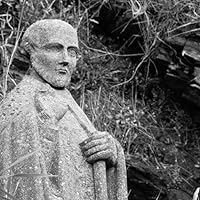
Gildas' surviving written work, De Excidio et Conquestu Britanniae or On the Ruin and Conquest of Britain, is a sermon in three parts condemning the acts of his contemporaries, both secular and religious. The first part consists of Gildas' explanation for his work and a brief narrative of Roman Britain from its conquest under the principate to Gildas' time: Concerning her obstinacy, subjection and rebellion, about her second subjection and harsh servitude; concerning religion, of persecution, the holy martyrs, many heresies, of tyrants, of two plundering races, concerning the defense and a further devastation, of a second vengeance and a third devastation, concerning hunger, of the letter to Agitius [usually identified with the patrician Aëtius], of victory, of crimes, of enemies suddenly announced, a memorable plague, a council, an enemy more savage than the first, the subversion of cities, concerning those whose survived, and concerning the final victory of our country that has been granted to our time by the will of God.