Margins




548 Market St PMB 65688, San Francisco California 94104-5401 USA
© 2026 Paratext Inc. All rights reserved
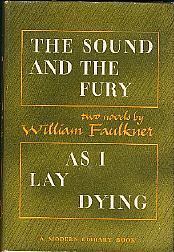
As I Lay Dying Faulkner's famous tragic narrative of the Bundren family's trek across the Mississippi countryside to bury Addie, their wife and mother, is a true 20th-century masterpiece. In terms of organisation, language, and drama, As I Lay Dying is one of the most important works in American fiction. The novel, which is told in turn by each member of the family, including Addie and others, fluctuates in mood from dark humour to deep pathos. The Sound and the Fury The Sound and the Fury, a provocative and perplexing novel by William Faulkner published in 1929, is largely regarded as one of the most important English-language novels of the twentieth century. This new Norton Critical Edition builds on the merits of its predecessors while paying special attention to the novel's contemporary reception as well as its diverse cultural and historical surroundings. The text for the Third Edition is based on Noel Polk's meticulously produced corrected text, which is preceded by a textual note. The annotations by David Minter, which were aimed to help readers understand complex phrases and allusions, have been kept.