Margins




548 Market St PMB 65688, San Francisco California 94104-5401 USA
© 2026 Paratext Inc. All rights reserved
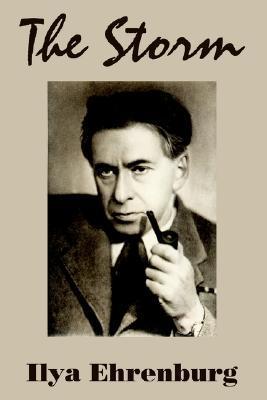
Ilya Ehrenburg was born in 1891 into the family of a Moscow manufacturer. At the age of fifteen he joined the revolutionary movement. He was expelled from the gymnasium for distributing Bolshevik leaflets, was arrested and served more than a year in prison. From 1909 to 1917 he was a resident of Paris and did much traveling throughout Europe. It was at this time that he took to writing poetry, which he printed in Russia and other countries. In 1917 he returned to his native country. In 1921 he again left for France, and lived in Paris, making frequent trips to the Soviet Union. Ehrenburg's writings show great diversity of theme and genre. Whether the work at hand was a purely literary article or a novel of fantastic cast, a story of adventure or a delicately penned novelette, a book of verse or a political pamphlet, whether he was dispensing humor or the comments of a journalist, he wielded pen with equal mastery and brilliance. The Storm was the Stalin Prize Novel for 1947.