Margins




548 Market St PMB 65688, San Francisco California 94104-5401 USA
© 2026 Paratext Inc. All rights reserved
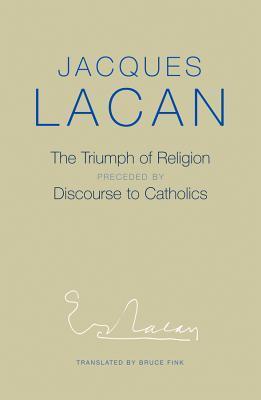
"I am the product of priests", Lacan once said of himself. Educated by the Marist Brothers (or Little Brothers of Mary), he was a pious child and acquired considerable, personal knowledge of the torments and cunning of Christian spirituality. He was wonderfully able to speak to Catholics and to bring them around to psychoanalysis. Jesuits flocked to his school. Freud, an old-style Enlightenment optimist, believed religion was merely an illusion that the progress of the scientific spirit would dissipate in the future. Lacan did not share this belief in the he thought, on the contrary, that the true religion, Roman Catholicism, would take in everyone in the end, pouring bucketsful of meaning over the ever more insistent and unbearable real that we, in our times, owe to science. ― Jacques-Alain Miller