Authors

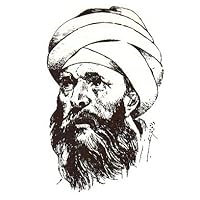
أبو حامد الغزالي Muslim theologian and philosopher Abu Hamid al-Ghazali of Persia worked to systematize Sufism, Islamic mysticism, and in The Incoherence of the Philosophers (1095) argued the incompatibility of thought of Plato and Aristotle with Islam. Born in 1058, Abū Ḥāmid Muḥammad ibn Muḥammad al-Ghazālī ranked of the most prominent and influential Sunni jurists of his origin. Islamic tradition considers him to be a Mujaddid, a renewer of the faith who, according to the prophetic hadith, appears once every century to restore the faith of the ummah ("the Islamic Community"). His works were so highly acclaimed by his contemporaries that al-Ghazali was awarded the honorific title "Proof of Islam" (Hujjat al-Islam). Al-Ghazali believed that the Islamic spiritual tradition had become moribund and that the spiritual sciences taught by the first generation of Muslims had been forgotten.[24] That resulted in his writing his magnum opus entitled Ihya 'ulum al-din ("The Revival of the Religious Sciences"). Among his other works, the Tahāfut al-Falāsifa ("Incoherence of the Philosophers") is a significant landmark in the history of philosophy, as it advances the critique of Aristotelian science developed later in 14th-century Europe. أبو حامد محمد الغزّالي الطوسي النيسابوري الصوفي الشافعي الأشعري، أحد أعلام عصره وأحد أشهر علماء المسلمين في القرن الخامس الهجري،(450 هـ - 505 هـ / 1058م - 1111م). كان فقيهاً وأصولياً وفيلسوفاً، وكان صوفيّ الطريقةِ، شافعيّ الفقهِ إذ لم يكن للشافعية في آخر عصره مثلَه.، وكان على مذهب الأشاعرة في العقيدة، وقد عُرف كأحد مؤسسي المدرسة الأشعرية في علم الكلام، وأحد أصولها الثلاثة بعد أبي الحسن الأشعري، (وكانوا الباقلاني والجويني والغزّالي) لُقّب الغزالي بألقاب كثيرة في حياته، أشهرها لقب "حجّة الإسلام"، وله أيضاً ألقاب مثل: زين الدين، ومحجّة الدين، والعالم الأوحد، ومفتي الأمّة، وبركة الأنام، وإمام أئمة الدين، وشرف الأئمة. كان له أثرٌ كبيرٌ وبصمةٌ واضحةٌ في عدّة علوم مثل الفلسفة، والفقه الشافعي، وعلم الكلام، والتصوف، والمنطق، وترك عدداَ من الكتب في تلك المجالات.ولد وعاش في طوس، ثم انتقل إلى نيسابور ليلازم أبا المعالي الجويني (الملقّب بإمام الحرمين)، فأخذ عنه معظم العلوم، ولمّا بلغ عمره 34 سنة، رحل إلى بغداد مدرّساً في المدرسة النظامية في عهد الدولة العباسية بطلب من الوزير السلجوقي نظام الملك. في تلك الفترة اشتُهر شهرةً واسعةً، وصار مقصداً لطلاب العلم الشرعي من جميع البلدان، حتى بلغ أنه كان يجلس في مجلسه أكثر من 400 من أفاضل الناس وعلمائهم يستمعون له ويكتبون عنه العلم. وبعد 4 سنوات من التدريس قرر اعتزال الناس والتفرغ للعبادة وتربية نفسه، متأثراً بذلك بالصّوفية وكتبهم، فخرج من بغداد خفيةً في رحلة طويلة بلغت 11 سنة، تنقل خلالها بين دمشق والقدس والخليل ومكة والمدينة المنورة، كتب خلالها كتابه المشهور إحياء علوم الدين كخلاصة لتجربته الروحية، عاد بعدها إلى بلده طوس متخذاً بجوار بيته مدرسةً للفقهاء، وخانقاه (مكان للتعبّد والعزلة) للصوفية.

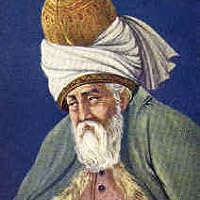
Sufism inspired writings of Persian poet and mystic Jalal ad-Din Muhammad ar-Rumi; these writings express the longing of the soul for union with the divine. Jalāl ad-Dīn Muhammad Rūmī - also known as Jalāl ad-Dīn Muhammad Balkhī, Mevlânâ/Mawlānā (مولانا, "our master"), Mevlevî/Mawlawī (مولوی, "my master") and more popularly simply as Rumi - was a 13th-century Persian poet, jurist, Islamic scholar, theologian and Sufi mystic who lived in Konya, a city of Ottoman Empire (Today's Turkey). His poems have been widely translated into many of the world's languages, and he has been described as the most popular poet and the best-selling poet in the United States. His poetry has influenced Persian literature, but also Turkish, Ottoman Turkish, Azerbaijani, Punjabi, Hindi, and Urdu, as well as the literature of some other Turkic, Iranian, and Indo-Aryan languages including Chagatai, Pashto, and Bengali. Due to quarrels between different dynasties in Khorāṣān, opposition to the Khwarizmid Shahs who were considered devious by his father, Bahā ud-Dīn Wālad or fear of the impending Mongol cataclysm, his father decided to migrate westwards, eventually settling in the Anatolian city Konya, where he lived most of his life, composed one of the crowning glories of Persian literature, and profoundly affected the culture of the area. When his father died, Rumi, aged 25, inherited his position as the head of an Islamic school. One of Baha' ud-Din's students, Sayyed Burhan ud-Din Muhaqqiq Termazi, continued to train Rumi in the Shariah as well as the Tariqa, especially that of Rumi's father. For nine years, Rumi practised Sufism as a disciple of Burhan ud-Din until the latter died in 1240 or 1241. Rumi's public life then began: he became an Islamic Jurist, issuing fatwas and giving sermons in the mosques of Konya. He also served as a Molvi (Islamic teacher) and taught his adherents in the madrassa. During this period, Rumi also travelled to Damascus and is said to have spent four years there. It was his meeting with the dervish Shams-e Tabrizi on 15 November 1244 that completely changed his life. From an accomplished teacher and jurist, Rumi was transformed into an ascetic. On the night of 5 December 1248, as Rumi and Shams were talking, Shams was called to the back door. He went out, never to be seen again. Rumi's love for, and his bereavement at the death of, Shams found their expression in an outpouring of lyric poems, Divan-e Shams-e Tabrizi. He himself went out searching for Shams and journeyed again to Damascus. Rumi found another companion in Salaḥ ud-Din-e Zarkub, a goldsmith. After Salah ud-Din's death, Rumi's scribe and favourite student, Hussam-e Chalabi, assumed the role of Rumi's companion. Hussam implored Rumi to write more. Rumi spent the next 12 years of his life in Anatolia dictating the six volumes of this masterwork, the Masnavi, to Hussam. In December 1273, Rumi fell ill and died on the 17th of December in Konya.