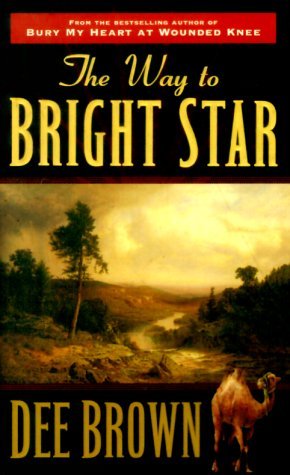
Ben Butterfield, ex-circus performer, is living out his days in a small backwater town. He spends much of his time dwelling on the past, pondering his glory days with the circus, and his first grand adventure—an odyssey across Missouri and Illinois to Bright Star, Indiana, during the Civil War. It was a journey that laid the groundwork for the man he would become, and on which he got to know the two people who meant the world to him, and still do. In 1862, Ben sets out to help Johnny Hawkes, a resourceful Texican, drive two camels to the farm home of a Yankee officer who has taken possession of the desert beasts as contraband of war. But when Johnny is imprisoned by the Yankees and charged with horse theft, it is up to Ben to complete the task without his friend and mentor. On the threshold of manhood, he has only the help of a young girl, nicknamed Princess, who spends most of the time masquerading as a boy to avoid drawing unwanted attention. Johnny and Princess must stand together and persevere against the odds if they are to overcome every obstacle placed before them on the winding way to Bright Star.
Author
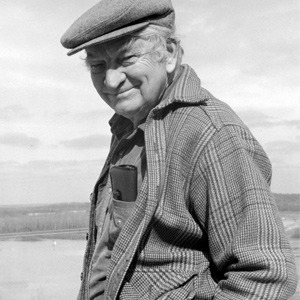
Dorris Alexander “Dee” Brown (1908–2002) was a celebrated author of both fiction and nonfiction, whose classic study Bury My Heart at Wounded Knee is widely credited with exposing the systematic destruction of American Indian tribes to a world audience. Brown was born in Louisiana and grew up in Arkansas. He worked as a reporter and a printer before enrolling at Arkansas State Teachers College, where he met his future wife, Sally Stroud. He later earned two degrees in library science, and worked as a librarian while beginning his career as a writer. He went on to research and write more than thirty books, often centered on frontier history or overlooked moments of the Civil War. Brown continued writing until his death in 2002.