Margins


548 Market St PMB 65688, San Francisco California 94104-5401 USA
© 2026 Paratext Inc. All rights reserved
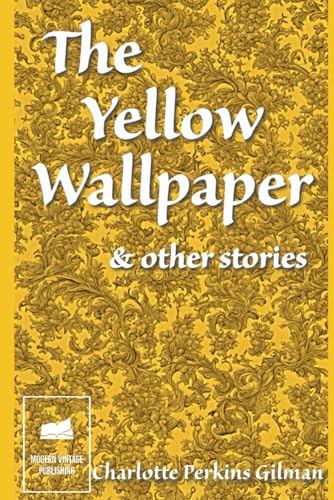
Compendium of works of fiction of the author Charlotte Perkins Gilman including The Yellow Wallpaper, What Diantha Did. Moving the Mountain and her seminal novel Herland. Also includes an essay by the author Why I wrote The Yellow Wallpaper which is ideal for book club discussion. "The Yellow Wallpaper," an early masterpiece of American feminist literature penned by Charlotte Perkins Gilman, unfolds within the stifling confines of a colonial mansion during the 19th century. Published in 1892, this short story delves into the unsettling attitudes towards women's mental and physical well-being at the time. Revered not only for its feminist exploration but also as a compelling work of horror fiction, the narrative is structured as a series of journal entries narrated by a woman subjected to a peculiar form of treatment by her physician husband. "What Diantha Did" encapsulates Gilman's advocacy for women's liberation and challenges to traditional gender roles. Through the character of Diantha, Gilman confronts societal expectations and norms surrounding women's roles in the early 20th century United States. Diantha's choice to pursue a career typically reserved for men underscores Gilman's critique of the unequal wages and limited opportunities available to women in traditional occupations. By portraying Diantha as a capable businesswoman, Gilman not only highlights the disparities in pay but also challenges the notion that women are confined to specific roles within society. Gilman's exploration of utopian and dystopian themes in "Moving the Mountain" aligns with a broader literary movement during the late 19th and early 20th centuries that delved into speculative fiction centred on societal structures and ideals. In this novel, Gilman presents a vision of an ideal society, addressing various social issues and proposing alternative ways of organizing communities. Like her later works, "Moving the Mountain" grapples with themes related to gender, social hierarchy, and the possibility of a more equitable and harmonious existence. "Herland" stands as a significant work within feminist literature, exploring the concept of a society without men and envisioning a utopian world led entirely by women. Gilman, a prominent feminist and sociologist, crafted this narrative as a means of challenging prevailing societal norms and questioning the role of gender in shaping civilization. The novel's depiction of an all-female society engaging in parthenogenesis offered a unique perspective on how a community might function absent the influence of men. Gilman used this setup to critique and challenge traditional gender roles, presenting an alternative social structure free from the conflicts and power struggles often associated with patriarchy.