Margins




548 Market St PMB 65688, San Francisco California 94104-5401 USA
© 2026 Paratext Inc. All rights reserved
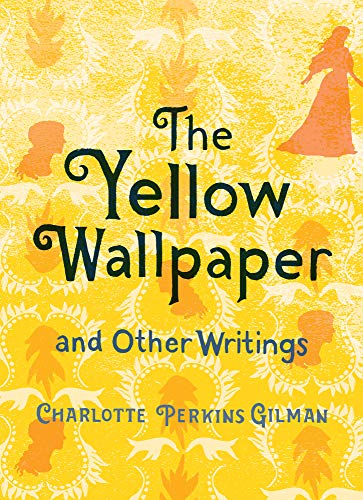
Part of the Gibbs Smith Women's Voices series: A collection of literary voices written by, and for, extraordinary women—to encourage, challenge, and inspire. Charlotte Perkins Gilman (1860–1935) championed women’s rights in her prolific fiction, nonfiction, and poetry. Discover three influential works by one of America’s first feminists in their unabridged form: the short story The Yellow Wallpaper, a haunting interpretation of postpartum depression; the feminist utopian novel Herland; and Women and Economics, which when published in 1898 established Gilman as a sociologist, philosopher, ethicist, and social critic, and is considered by many to be her greatest work. Continue your journey in the Women’s Voices series with Jane Eyre, by Charlotte Bronte (ISBN: 978-1-4236-5099-7), The Feminist Papers, by Mary Wollstonecraft (ISBN: 978-1-4236-5097-3), Hope Is the Thing with Feathers, the complete poems of Emily Dickinson (ISBN: 978-1-4236-5098-0), and Little Women, by Louisa May Alcott (ISBN: 978-1-4236-5211-3).