Margins




548 Market St PMB 65688, San Francisco California 94104-5401 USA
© 2026 Paratext Inc. All rights reserved
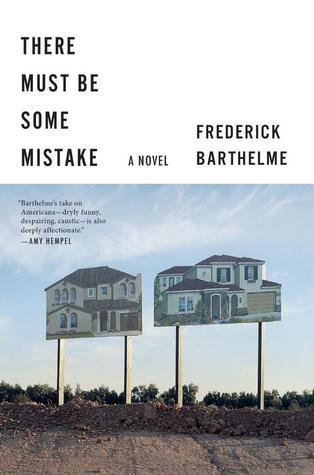
A fiftyish graphic designer forced into retirement discovers, via a parade of unlikely events, that it may still be a lovely day in the neighborhood. Wallace Webster lives alone in Kemah, Texas at Forgetful Bay, a condo development where residents are passing away at an alarming rate. As he monitors events in the neighborhood, Wallace keeps in touch with his ex-wife, his grown daughter, a former coworker for whom he has much averted eyes, and a somewhat exotic resident with whom he commences an off-beat affair. He sifts through the curious accidents that plague his neighbors, all the while reflecting on his past and shortening future. Required to reflect upon his own mortality, he wonders if "settling for" something less than he aspired to is a kind of cowardice, or just good sense. Beneath the arresting repartee and the ever-present and often satisfying banality of our modern lives—from Google searches to real life mysteries on TV—lies Frederick Barthelme's affection for and curiosity about our human condition.