Part of Series
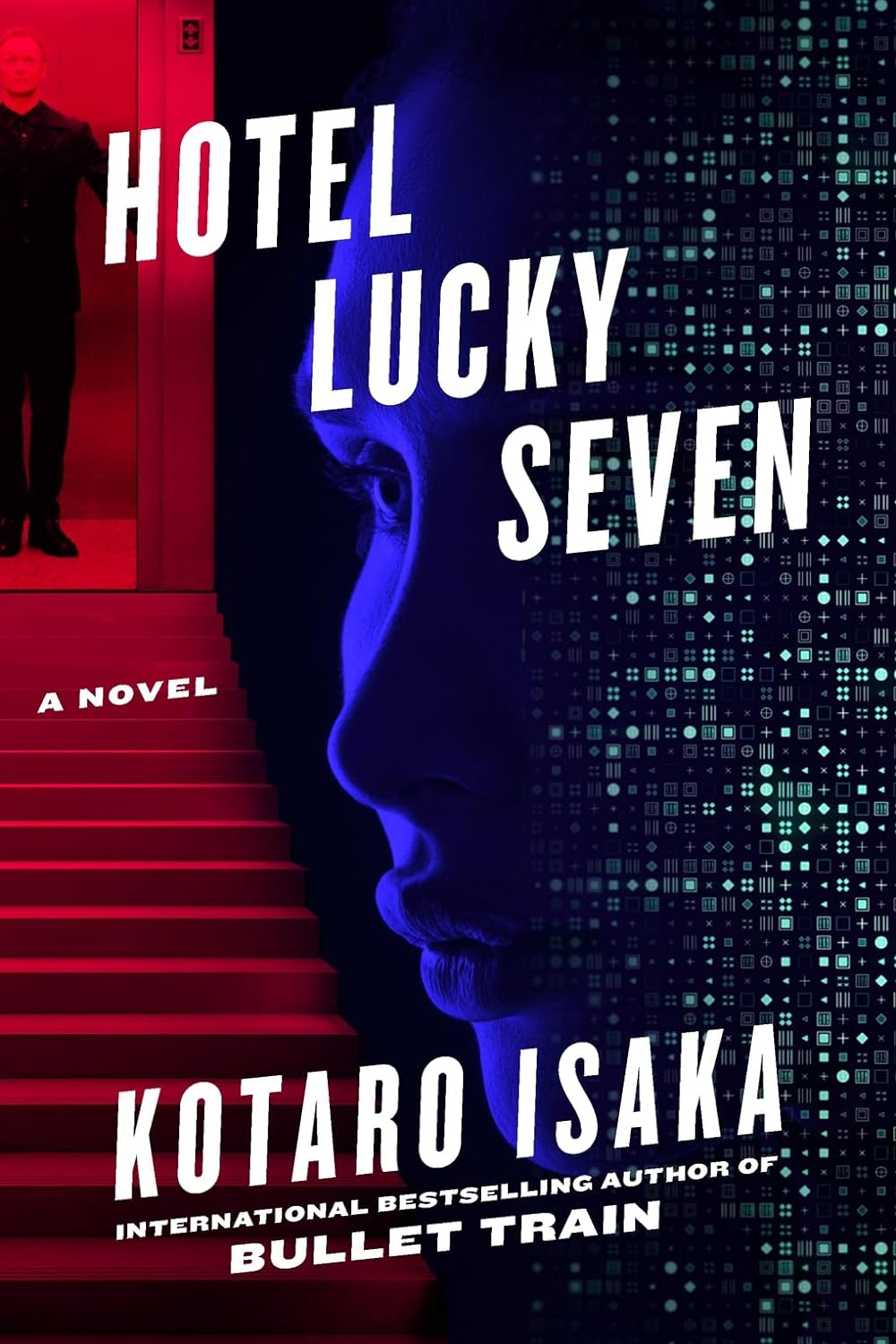
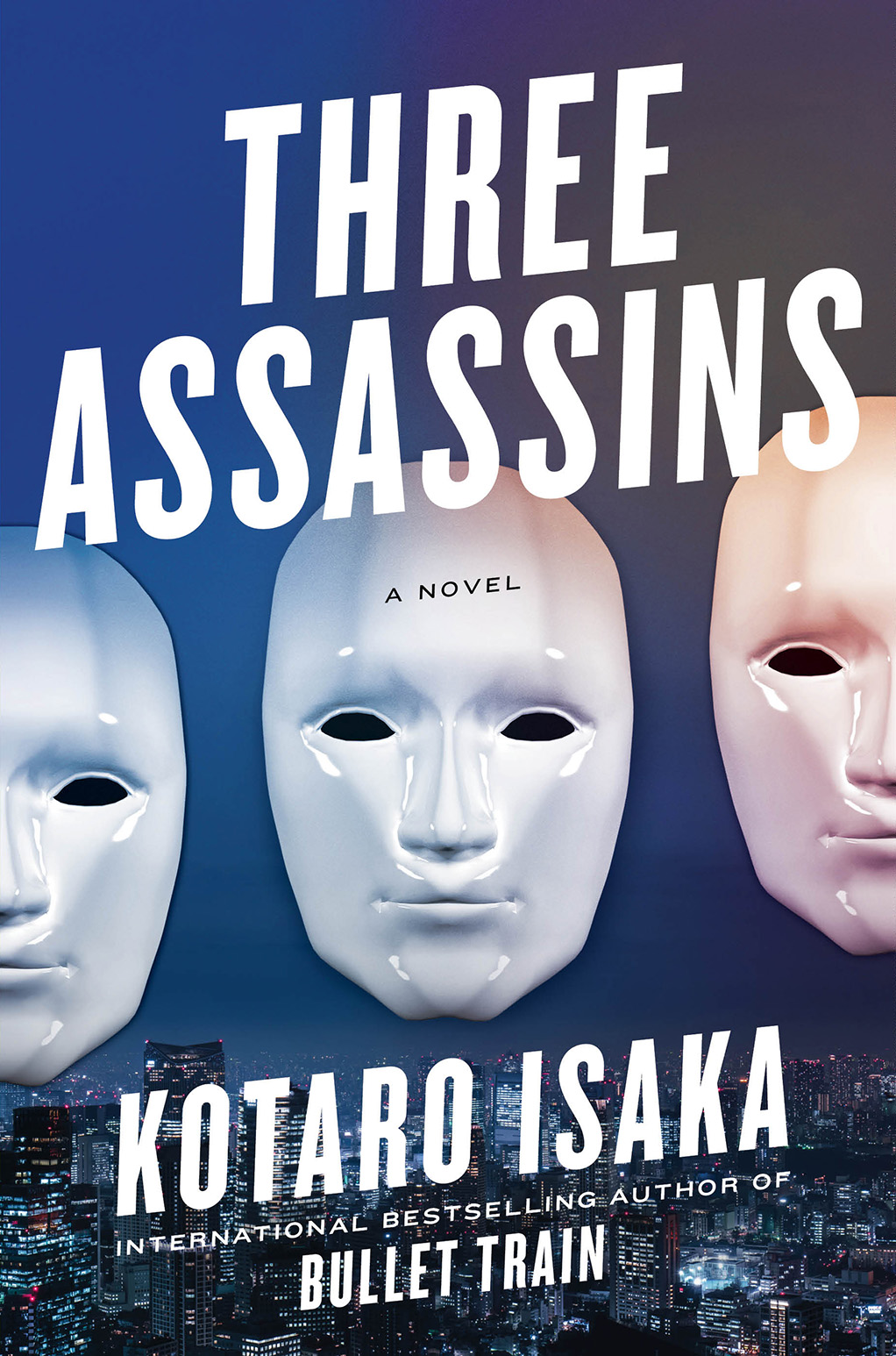
By the internationally bestselling author of Bullet Train, the high-octane new thriller, set in Tokyo’s criminal underworld, pits an ordinary man against a group of talented and very unusual assassins. Three Assassins is the high-stakes, high-style, and utterly propulsive follow-up to Kotaro Isaka’s international bestseller, Bullet Train, a Crime Reads "Most Anticipated Book of 2021." Suzuki is an ordinary man until his wife is murdered. To get answers and his revenge, Suzuki abandons his law-abiding lifestyle and takes a low-level job with a front company operated by the crime gang Maiden, who are responsible for his wife’s death. Before long, Suzuki finds himself caught up in a network of quirky and highly effective assassins: The Cicada is a knife expert. The Pusher nudges people into oncoming traffic. The Whale whispers bleak aphorisms to his victims until they take their own lives. Intense and electrifying, Three Assassins delivers a wild ride through the criminal underworld of Tokyo, populated by contract killers who are almost superhumanly good at their jobs.
Author
Kōtarō Isaka (伊坂幸太郎, Isaka Koutarou) is a Japanese author of mystery fiction. Isaka was born in Matsudo City, Chiba Prefecture, Japan. After graduating from the law faculty of Tohoku University, he worked as a system engineer. Isaka quit his company job and focused on writing after hearing Kazuyoshi Saito's 1997 song "Kōfuku na Chōshoku Taikutsu na Yūshoku", and the two have collaborated several times. In 2000, Isaka won the Shincho Mystery Club Prize for his debut novel Ōdyubon no Inori, after which he became a full-time writer. In 2002, Isaka's novel Lush Life gained much critical acclaim, but it was his Naoki Prize-nominated work Jūryoku Piero (2003) that brought him popular success. His following work Ahiru to Kamo no Koin Rokkā won the 25th Yoshikawa Eiji Prize for New Writers. Jūryoku Piero (2003), Children (2004), Grasshopper (2004), Shinigami no Seido (2005) and Sabaku (2006) were all nominated for the Naoki Prize. Isaka was the only author in Japan to be nominated for the Hon'ya Taishō in each of the award's first four years, finally winning in 2008 with Golden Slumber. The same work also won the 21st Yamamoto Shūgorō Prize.