Margins




548 Market St PMB 65688, San Francisco California 94104-5401 USA
© 2026 Paratext Inc. All rights reserved
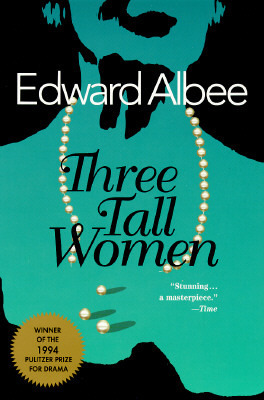
WINNER OF THE PULITZER PRIZE FOR DRAMA Recently revived on Broadway in a production directed by Joe Mantello, starring two-time Oscar winner Glenda Jackson and Tony winner Laurie Metcalf Earning a Pulitzer and Best Play awards from the Evening Standard, Critics Circle, and Outer Critics Circle, among others, when it premiered, Edward Albee has, in Three Tall Women, created a masterwork of modern theater. As an imperious, acerbic old woman lies dying, she is tended by two other women and visited by a young man. Albee’s frank dialogue about everything from incontinence to infidelity portrays aging without sentimentality. His scenes are charged with wit, pain, and laughter, and his observations tell us about forgiveness, reconciliation, and our own fates. But it is his probing portrait of the three women that reveals Albee’s genius. Separate characters on stage in the first act, yet actually the same “everywoman” at different ages in the second act, these “tall women” lay bare the truths of our lives—how we live, how we love, what we settle for, and how we die. Edward Albee has given theatergoers, critics, and students of drama reason to rejoice.