Margins




548 Market St PMB 65688, San Francisco California 94104-5401 USA
© 2026 Paratext Inc. All rights reserved
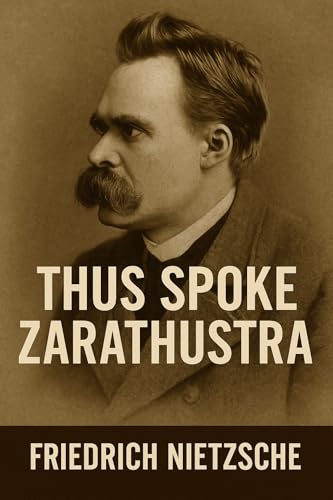
Thus Spoke Zarathustra – Modern English Edition + Thematic Appendices Think with Nietzsche. Live without illusions. In this updated and accessible edition of Thus Spoke Zarathustra, readers are invited into the profound and poetic world of Friedrich Nietzsche—one of the most influential and provocative thinkers in Western philosophy. Divided into four parts, this modern rendition preserves Nietzsche’s powerful metaphors while clarifying his message for today’s reader. More than a mere translation, it’s a guide for those who seek truth beyond conventions, depth beyond dogmas, and courage in the face of chaos. 🔹 Includes exclusive thematic – Nietzsche’s Philosophy in Five Key Ideas – The Relevance of Zarathustra Today – Nietzsche and the Critique of Traditional Morality – Recommended Readings After Zarathustra Whether you're a curious reader, a philosophy enthusiast, or someone navigating a world full of noise and contradictions, Zarathustra will challenge, awaken, and inspire. This edition contains original and exclusive material, including linguistic adaptation, commentary, glossary, critical introduction, chapter/book organization, and thematic appendices. Although based on a public domain work, this version is an independent intellectual creation and is protected by copyright, in accordance with Amazon KDP guidelines.