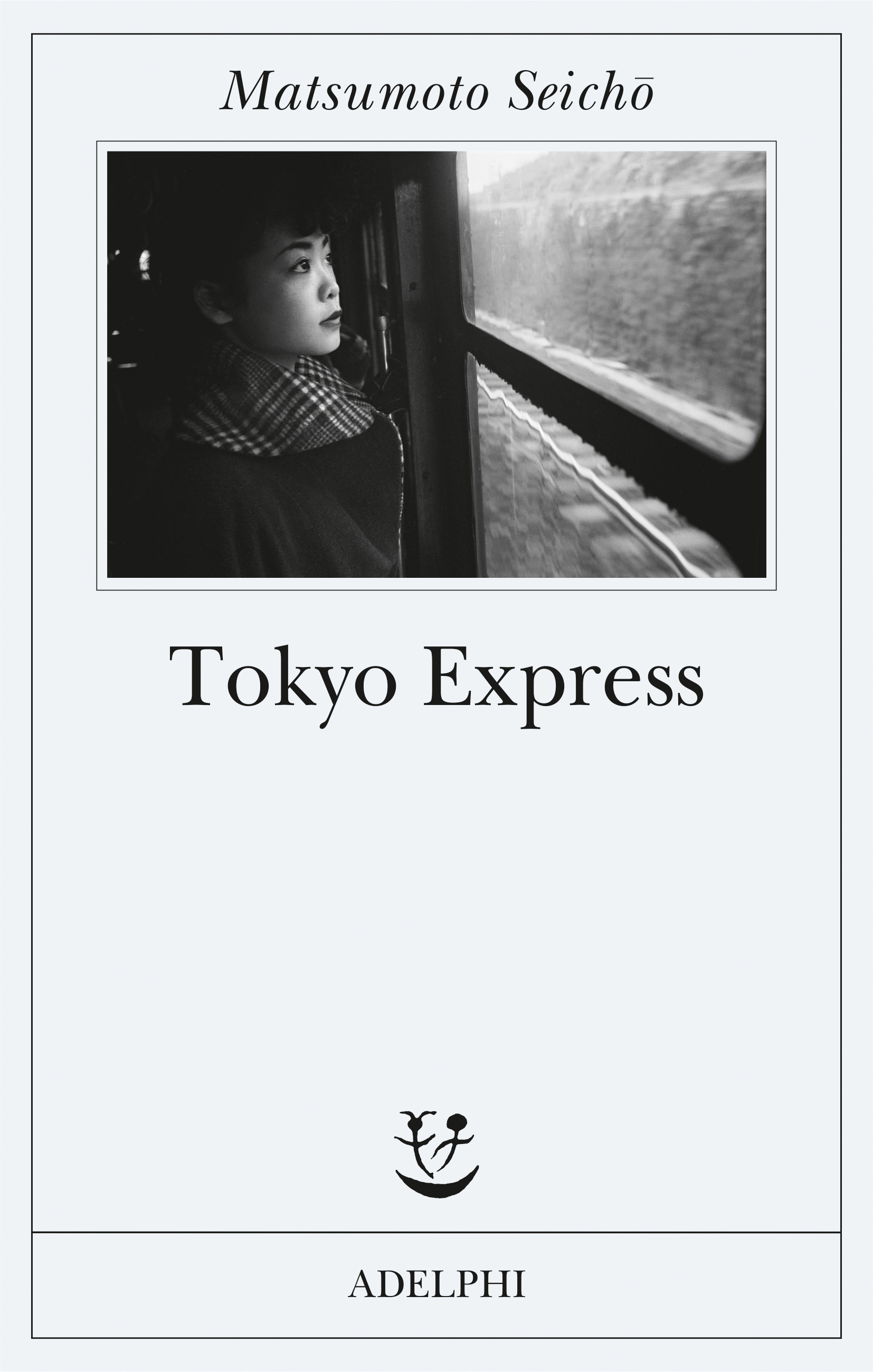
A perfectly plotted, cosy detective story from Seicho Matsumoto, Japan's master of mystery. 'It was a puzzle with no solution. But he did not lose heart.' In a rocky cove in the bay of Hakata, the bodies of a young and beautiful couple are discovered. Stood in the coast's wind and cold, the police see nothing to investigate: the flush of the couple's cheeks speaks clearly of cyanide, of a lovers' suicide. But in the eyes of two men, Torigai Jutaro, a senior detective, and Kiichi Mihara, a young gun from Tokyo, something is not quite right. Together, they begin to pick at the knot of a unique and calculated crime... Now widely available in English for the first time, Tokyo Express is celebrated around the world as Seicho Matsumoto's masterpiece - and as one of the most fiendish puzzles ever written.
Author

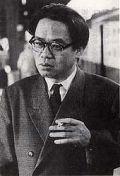
Seicho Matsumoto (松本清張, Matsumoto Seichō), December 21, 1909 – August 4, 1992) was a Japanese writer. Matsumoto's works created a new tradition of Japanese crime fiction. Dispensing with formulaic plot devices such as puzzles, Matsumoto incorporated elements of human psychology and ordinary life into his crime fiction. In particular, his works often reflect a wider social context and postwar nihilism that expanded the scope and further darkened the atmosphere of the genre. His exposé of corruption among police officials as well as criminals was a new addition to the field. The subject of investigation was not just the crime but also the society in which the crime was committed. The self-educated Matsumoto did not see his first book in print until he was in his forties. He was a prolific author, he wrote until his death in 1992, producing in four decades more than 450 works. Matsumoto's mystery and detective fiction solidified his reputation as a writer at home and abroad. He wrote historical novels and nonfiction in addition to mystery/detective fiction. He was awarded the Akutagawa Prize in 1952 and the Kikuchi Kan Prize in 1970, as well as the Mystery Writers of Japan Award in 1957. He chaired the president of Mystery Writers of Japan from 1963 to 1971. Credited with popularizing the genre among readers in his country, Matsumoto became his nation's best-selling and highest earning author in the 1960s. His most acclaimed detective novels, including Ten to sen (1958; Points and Lines, 1970); Suna no utsuwa (1961; Inspector Imanishi Investigates, 1989) and Kiri no hata (1961; Pro Bono, 2012), have been translated into a number of languages, including English. He collaborated with film director Yoshitarō Nomura on adaptations of eight of his novels to film, including Castle of Sand.