Margins




548 Market St PMB 65688, San Francisco California 94104-5401 USA
© 2026 Paratext Inc. All rights reserved
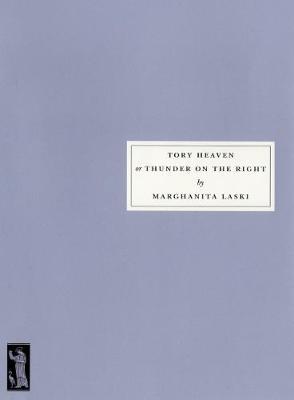
Tory Heaven (1948) was Marghanita Laski's third book, another satire after both Love on the Super Tax and To Bed with Grand Music. The period 1945–8 in Britain can now be seen as one of some extraordinary achievements, the most important being the creation of the NHS. But for many of those living in Britain at the time it was an age of austerity, punctuated by regular crises. Wartime rationing not only continued, but its range was broadened. The 1945 Labour victory was based on a broad popular wish to transform the equality of wartime sacrifice into a fairer peacetime society. But the combined effects of rationing and of income tax meant that life for the middle classes was far more austere than in the 1930s, while working-class living standards were higher. And successive crises highlighted divisions in the government and cast doubt on its competence, whether in running the coal industry or the whole economy.