
Trong nền văn hoá say mê với tuổi trẻ và nhất quyết né tránh tuổi già bằng mọi giá, cuốn sách này giám nêu ra một câu hỏi đã từng là tất cả nhưng bị quên lãng đi trong thời đại của Viagra và giải phẫu thẩm mĩ. Có lợi gì trong việc chấp nhận quá trình già đi là tự nhiên, thay vì cố gắng giữ lấy tuổi trẻ và những thú vui của nó trên đường tới nấm mồ? Osho đưa chúng ta trở về gốc rễ của điều ngụ ý sự trưởng thành thay vì chỉ già đi. Cả hai điều này nằm trong mối quan hệ của chúng ta với người khác và trong việc hoàn thành định mệnh cá nhân riêng của chúng ta, người nhắc nhở chúng ta về những vui thích mà chỉ sự trưởng thành đúng mới có thể đem lại được. Người vạch ra mười chu kì phát triển chính trong cuộc sống con người, từ vũ trụ được định tâm ở cái ta ở thời trước tuổi đi học cho tới việc nở hoa của trí tuệ và từ bi trong tuổi già. Sự thông minh tinh nghịch của Osho như sợi chỉ xuyên suốt cả cuốn sách, cùng với lòng từ bi âu lắng và hiểu biết về việc chúng ta dễ dàng bị sao lãng khỏi ý nghĩa và mục đích sâu sắc hơn của các kiếp sống của mình - điều mà, chung cuộc, nở hoa thành tính độc đáo và sự trưởng thành cá nhân duy nhất của riêng chúng ta với thái độ lễ hội và niềm vui sướng.
Author
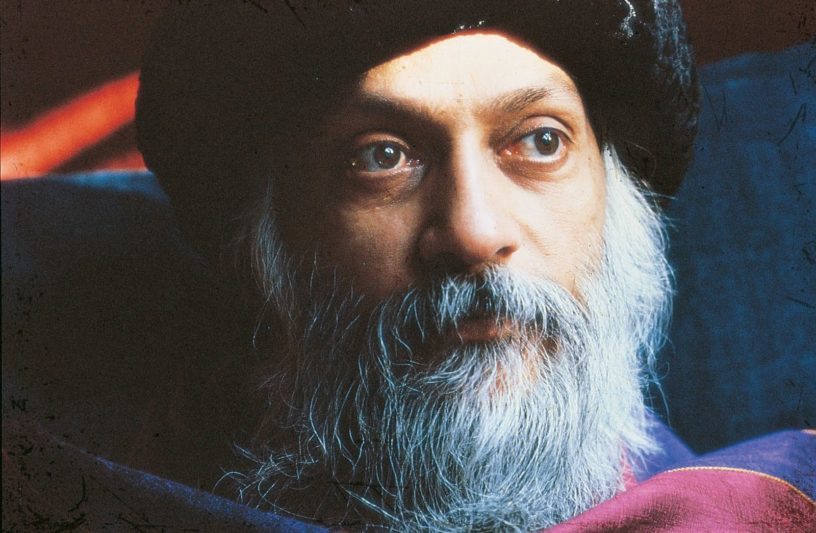
Rajneesh (born Chandra Mohan Jain, 11 December 1931 – 19 January 1990) and latter rebranded as Osho was leader of the Rajneesh movement. During his lifetime he was viewed as a controversial new religious movement leader and mystic. In the 1960s he traveled throughout India as a public speaker and was a vocal critic of socialism, Mahatma Gandhi, and Hindu religious orthodoxy. Rajneesh emphasized the importance of meditation, mindfulness, love, celebration, courage, creativity and humor—qualities that he viewed as being suppressed by adherence to static belief systems, religious tradition and socialization. In advocating a more open attitude to human sexuality he caused controversy in India during the late 1960s and became known as "the sex guru". In 1970, Rajneesh spent time in Mumbai initiating followers known as "neo-sannyasins". During this period he expanded his spiritual teachings and commented extensively in discourses on the writings of religious traditions, mystics, and philosophers from around the world. In 1974 Rajneesh relocated to Pune, where an ashram was established and a variety of therapies, incorporating methods first developed by the Human Potential Movement, were offered to a growing Western following. By the late 1970s, the tension between the ruling Janata Party government of Morarji Desai and the movement led to a curbing of the ashram's development and a back taxes claim estimated at $5 million. In 1981, the Rajneesh movement's efforts refocused on activities in the United States and Rajneesh relocated to a facility known as Rajneeshpuram in Wasco County, Oregon. Almost immediately the movement ran into conflict with county residents and the state government, and a succession of legal battles concerning the ashram's construction and continued development curtailed its success. In 1985, in the wake of a series of serious crimes by his followers, including a mass food poisoning attack with Salmonella bacteria and an aborted assassination plot to murder U.S. Attorney Charles H. Turner, Rajneesh alleged that his personal secretary Ma Anand Sheela and her close supporters had been responsible. He was later deported from the United States in accordance with an Alford plea bargain.[ After his deportation, 21 countries denied him entry. He ultimately returned to India and a revived Pune ashram, where he died in 1990. Rajneesh's ashram, now known as OSHO International Meditation Resort and all associated intellectual property, is managed by the Zurich registered Osho International Foundation (formerly Rajneesh International Foundation). Rajneesh's teachings have had a notable impact on Western New Age thought, and their popularity has increased markedly since his death.