


Margins
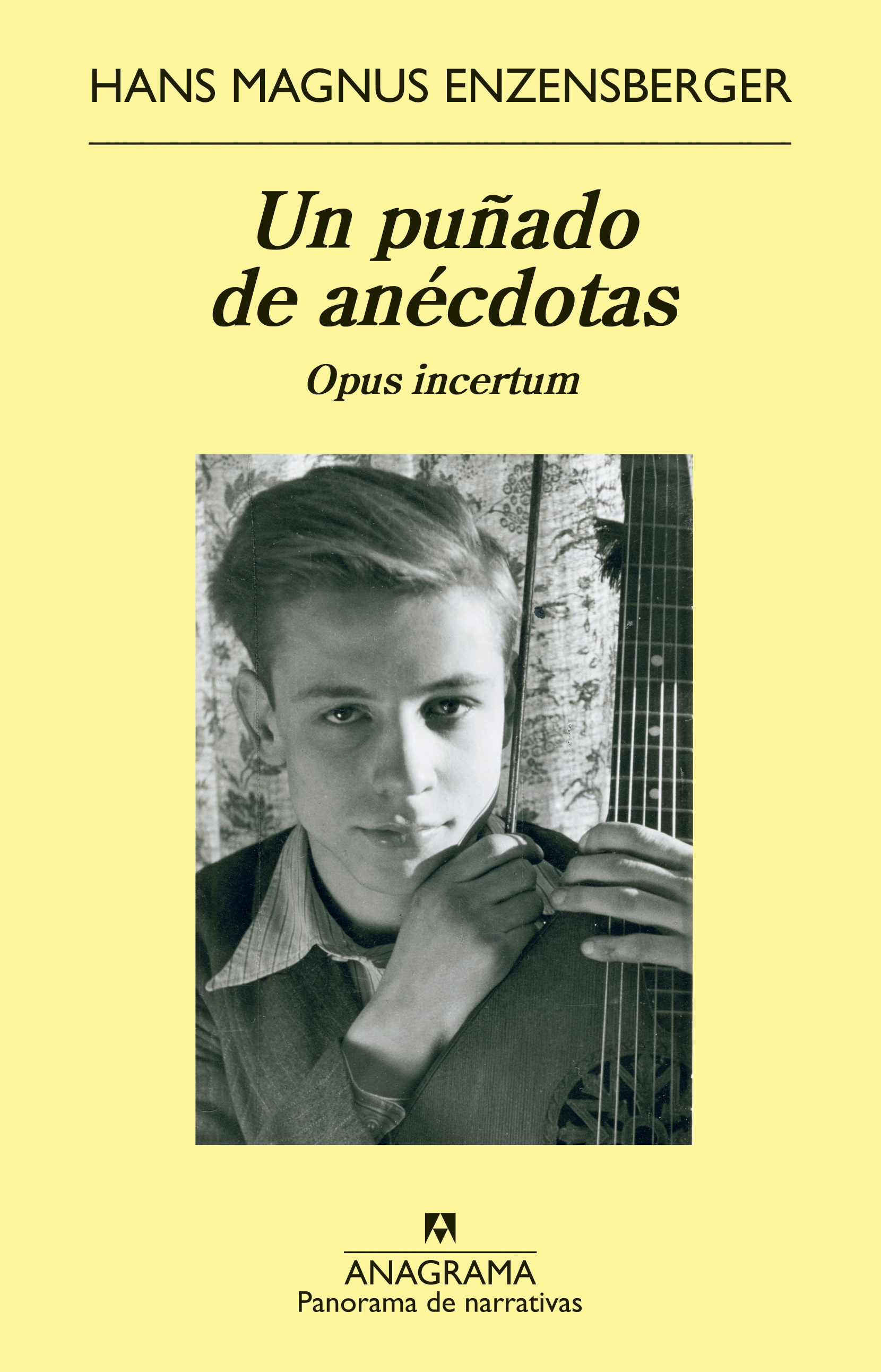
Un puñado de anécdotas book cover
Un puñado de anécdotas
Opus incertum
2018
First Published
3.54
Average Rating
239
Number of Pages

Las lúcidas memorias de los años de formación de un pensador imprescindible, que son también un retrato de Alemania bajo el nazismo. Enzensberger evoca su infancia, adolescencia y primera juventud en forma de mosaico de escenas, acompañadas por imágenes de personas y objetos que lo rodearon en esos años. Asoman el crac del 29 –el año en que nació– y los tiempos convulsos de la República de Weimar; el padre alto funcionario de Correos; el ascenso del nazismo; la guerra y los bombardeos vistos por un niño; el paso por las Juventudes Hitlerianas y su expulsión de ellas; la evacuación de la ciudad al campo; el descubrimiento del Holocausto a través de un documental cuyas imágenes lo acompañarán para siempre; la nueva Alemania de la posguerra; las aspiraciones de convertirse en filósofo; la conferencia de Heidegger a la que asistió y el seminario del profesor Wilhelm Szilasi, recién regresado del exilio; el descubrimiento de París y su bulliciosa vida intelectual...
Avg Rating
3.54
Number of Ratings
35
5 STARS
17%
4 STARS
29%
3 STARS
46%
2 STARS
9%
1 STARS
0%
goodreads

Author

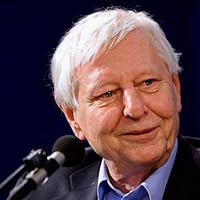
Hans Magnus Enzensberger
Author · 30 books

See also: Cyrillic: Ханс Магнус Енценсбергер Hans Magnus Enzensberger was a German author, poet, translator and editor. He had also written under the pseudonym Andreas Thalmayr. Enzensberger was regarded as one of the literary founding figures of the Federal Republic of Germany and wrote more than 70 books. He was one of the leading authors in the Group 47, and influenced the 1968 West German student movement. He was awarded the Georg Büchner Prize and the Pour Le Mérite, among many others. He wrote in a sarcastic, ironic tone in many of his poems. For example, the poem "Middle Class Blues" consists of various typicalities of middle class life, with the phrase "we can't complain" repeated several times, and concludes with "what are we waiting for?". Many of his poems also feature themes of civil unrest over economic- and class-based issues. Though primarily a poet and essayist, he also ventured into theatre, film, opera, radio drama, reportage and translation. He wrote novels and several books for children (including The Number Devil, an exploration of mathematics) and was co-author of a book for German as a foreign language, (Die Suche). He often wrote his poems and letters in lower case. Enzensberger also invented and collaborated in the construction of a machine which automatically composes poems (Landsberger Poesieautomat). This was used during the 2006 Football World Cup to commentate on games. Tumult, written in 2014, is an autobiographical reflection of his 1960s as a left-wing sympathizer in the Soviet Union and Cuba. Enzensberger translated Adam Zagajewski, Lars Gustafsson, Pablo Neruda, W. H. Auden and César Vallejo. His own work has been translated into more than 40 languages.

548 Market St PMB 65688, San Francisco California 94104-5401 USA
© 2026 Paratext Inc. All rights reserved