Margins
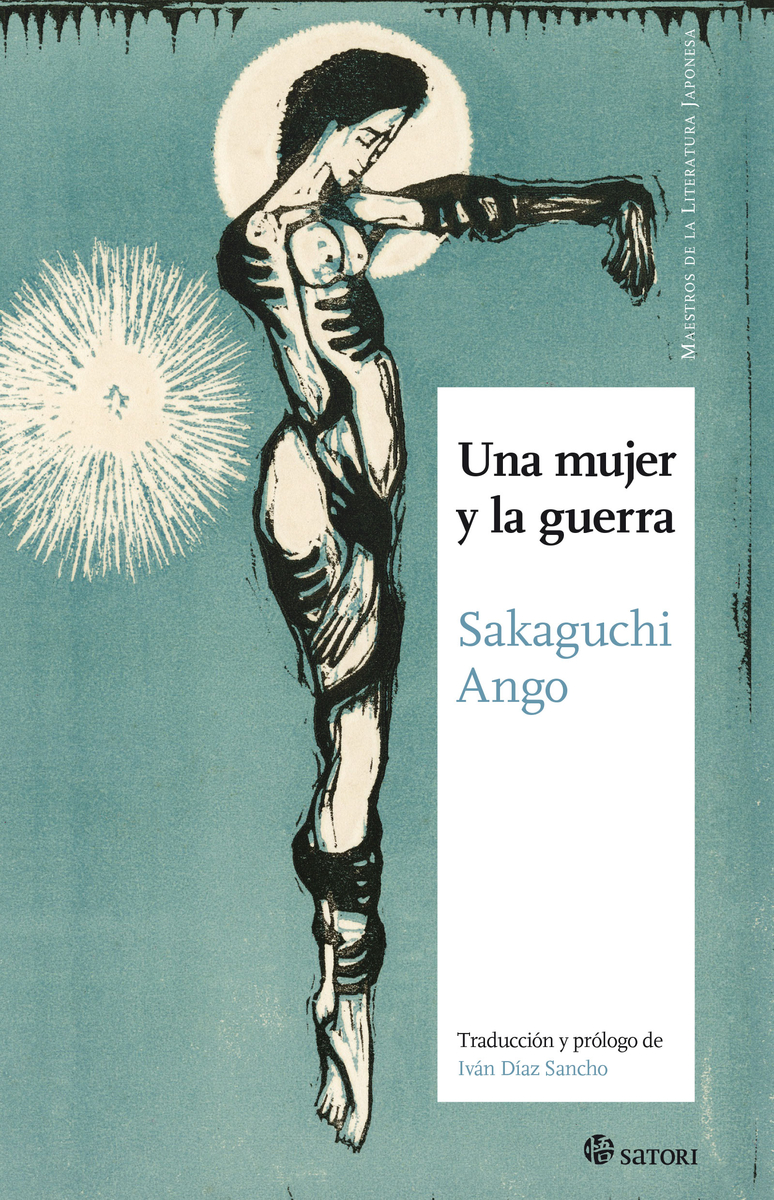
Una mujer y la guerra book cover
Una mujer y la guerra
1946
First Published
3.74
Average Rating
176
Number of Pages
Un alegato contundente y desgarrador contra el sinsentido de la guerra. Tokio, marzo de 1945. Enjambres furiosos de bombarderos vacían sus vientres plateados reduciendo la ciudad a un páramo de cenizas, mientras las vidas de sus habitantes prosiguen, contumaces y desgarradas, en su caótico devenir. Hombres vacíos de esperanza que viven por inercia abrazados a la tragedia; mujeres cuyos cuerpos palpitan de deseo bajo el estruendo de las explosiones y el calor abrasador de las bombas incendiarias; viejos decrépitos ávidos de miseria que se recrean en la devastación y en los cadáveres calcinados. Y a miles de kilómetros, jóvenes soldados en la flor de la vida estallan como perlas al arrojarse en los brazos de la muerte. Un alegato contundente y desgarrador contra el sinsentido de la guerra. Sakaguchi Ango sacudió los cimientos de la sociedad japonesa de posguerra con su escritura desafiante, iconoclasta y lúcidamente provocadora. «Nadie como Ango ha sabido captar la magnitud de la devastación física y espiritual que supuso el bombardeo aliado de Tokio en 1945». Donald Keene Ango capturó con brillantez la esencia de su época como ningún otro escritor en toda la historia de Japón.

Avg Rating
3.74
Number of Ratings
38
5 STARS
29%
4 STARS
34%
3 STARS
21%
2 STARS
13%
1 STARS
3%
goodreads

Author

Ango Sakaguchi
Ango Sakaguchi
Author · 16 books

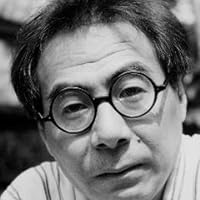
From Niigata, Sakaguchi (坂口安吾) was one of a group of young Japanese writers to rise to prominence in the years immediately following Japan's defeat in World War II. In 1946 he wrote his most famous essay, titled "Darakuron" ("On Decadence"), which examined the role of bushido during the war. It is widely argued that he saw postwar Japan as decadent, yet more truthful than a wartime Japan built on illusions like bushido. Ango was born in 1906, and was the 12th child of 13. He was born in the middle of a Japan perpetually at war. His father was the president of the Niigata Shinbun (Newspaper), a politician, and a poet. Ango wanted to be a writer at 16. He moved to Tokyo at 17, after hitting a teacher who caught him truanting. His father died from brain cancer the following year, leaving his family in massive debt. At 20, Ango taught for a year as a substitute teacher following secondary school. He became heavily involved in Buddhism and went to University to study Indian philosophy, graduating at the age of 25. Throughout his career as a student, Ango was very vocal in his opinions. He wrote various works of literature after graduating, receiving praise from writers such as Makino Shin’ichi. His literary career started around the same time as Japan’s expansion into Manchuria. He met his wife to be, Yada Tsuseko, at 27. His mother died when he was 37, in the middle of World War II. He struggled for recognition as a writer for years before finally finding it with “A Personal View of Japanese Culture” in 1942, and again with “On Decadence” in 1946. That same year, the Emperor formally declared himself a human being, not a god. Ango had a child at 48 with his second wife, Kaji Michio. He died from a brain aneurysm at age 48 in 1955.

548 Market St PMB 65688, San Francisco California 94104-5401 USA
© 2026 Paratext Inc. All rights reserved