Margins




548 Market St PMB 65688, San Francisco California 94104-5401 USA
© 2026 Paratext Inc. All rights reserved
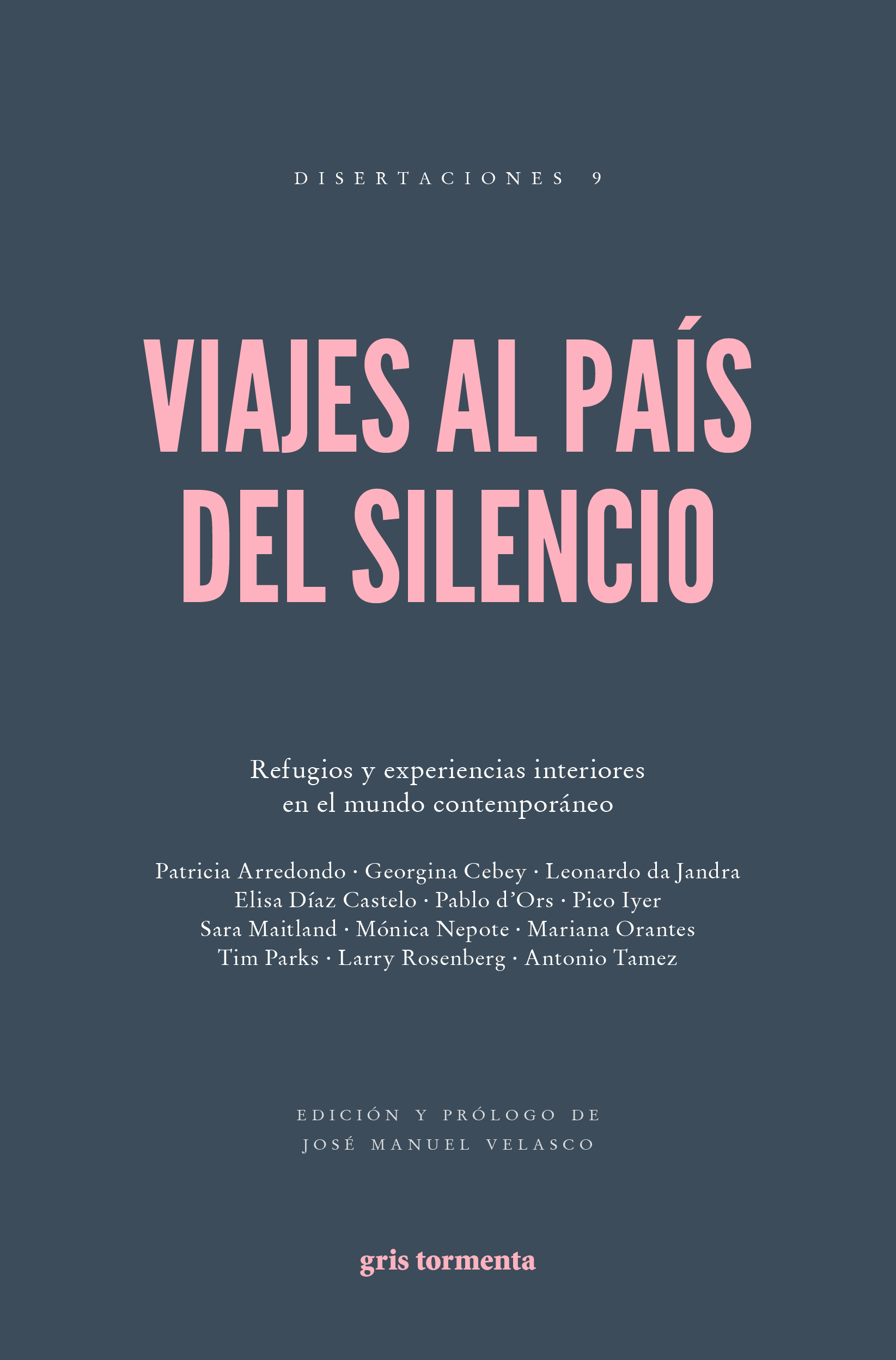
Refugios y experiencias interiores en el mundo contemporáneo. Varios autores. Edición y prólogo de José Manuel Velasco. Tim Parks hace una crítica de la modernidad desde la quietud. Georgina Cebey imagina una cartografía del silencio espacial. Pico Iyer compone una colección de insights de un Japón inexplicable. Elisa Díaz Castelo describe su llegada a la poesía desde el dolor. Patricia Arredondo duda si existe el silencio fuera del lenguaje. Mónica Nepote busca el resonar de su infancia en las montañas. Leonardo da Jandra registra sus vivencias en una playa utópica del Pacífico. Mariana Orantes escribe un elogio sobre la compañía muda de los animales. Sara Maitland explora el ascetismo en las Fronteras Escocesas. Antonio Tamez se adentra en la oscuridad ancestral del temazcal. Larry Rosenberg ralentiza su existencia a través de la respiración consciente. Pablo d’Ors contempla el silencio de Dios. Detenerse a pensar en el silencio es, por sí solo, un acto disidente: ¿cómo abrir la puerta de la sensibilidad hacia él? Esta antología lo hace desde la experiencia: narraciones donde se pueda sentir, más que leer, un silencio vivencial. En medio de una sociedad ruidosa y constantemente ensordecedora, doce voces del mundo tejen caminos hacia un país imaginario, desde lugares tan remotos como familiares. Filosofías, tradiciones milenarias, espacios naturales, prácticas del cuerpo y de la mente convergen para conversar sobre una experiencia que, a veces, es tan palpable que se escucha—pero muchas otras se esconde o se difumina. «La Montaña es un santuario. Subo lo más silenciosa, bajo lo más solitaria. ¿Es suficiente mi lenguaje humano, Montaña, para dejar constancia de esta forma alargada, prolongada de amor? Lo digo solo con mi respiración, con mis latidos y mis pasos. No tengo otra manera de emitir palabras: mi palabra es mi cuerpo caminante.» —Mónica Nepote «Lo que el silencio y la meditación nos hacen preguntarnos, una vez que nos incorporamos, inesperadamente renovados y bien dispuestos después de una hora de quietud y silencio, es si no hay algo profundamente perverso en esta cultura de la que somos parte, hasta en sus grandes realizaciones en la narrativa y en el arte. Demasiado de lo que leemos, aun cuando es un gran entretenimiento, es profundamente inútil.» —Tim Parks A través de singulares libros polifónicos, la colección Disertaciones de Gris Tormenta explora conceptos con relevancia contemporánea que no siempre pueden definirse—y propone la observación panorámica, quizá utópica, de lo que muchas veces es inobservable. Este es el noveno título de la colección.