Margins




548 Market St PMB 65688, San Francisco California 94104-5401 USA
© 2026 Paratext Inc. All rights reserved
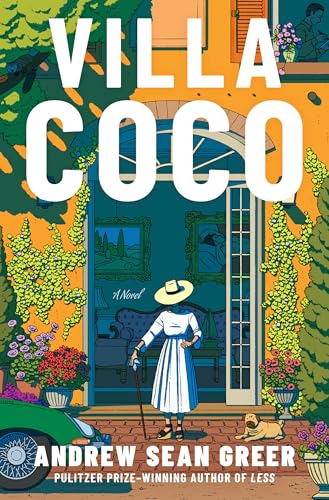
Pulitzer Prize winner Andrew Sean Greer ("A great chronicler of our times." —San Francisco Chronicle) showcases his wit, sophistication and deep knowledge of focaccia in this magical and madcap tale of a young man who takes an unspecified job with a charismatic elderly baronessa at her crumbling villa in the Tuscan hills. Heartsore, broke and directionless, our young man (the chosen moniker of Villa Coco's narrator) takes a job in the Italian countryside as the all-purpose assistant (technically, the employment ad asked for "adjutant") to Lisabetta, known to her friends as Coco, a strong-willed, wealthy widow of great local renown. Technically, our young man is an archivist, charged with cataloguing Coco’s extensive and eclectic collection of art and artifacts, but what are his actual duties? He is charged with ridding the house of a marten, whatever that is, locating the antediluvian septic system, entertaining an endless carousel of guests (from bohemian painters to elderly princesses to handsome nephews), attending a funeral in order to make off with the urn and not inadvertently sabotaging Coco's great and final plan—to locate the lost love of her life and be reunited before it’s too late. Told with the signature wit, insight and deeply felt humanity that made Less an international phenomenon, Villa Coco is a dazzling, sun-soaked ode to life itself—a romp through a youthfully self-constructed emotional obstacle course, a meditation on what we give and take from others and a bawdy Mediterranean ballad about becoming who you’ve always wanted to be.