Margins
Margins
Sign in
Margins
Subscribe to our newsletter
548 Market St PMB 65688, San Francisco California 94104-5401 USA
hello@margins.app
·
+1 (650) 223-5283
Privacy Policy
·
Terms of Use
© 2026 Paratext Inc. All rights reserved
📚 Virginia Woolf
📚
Virginia Woolf
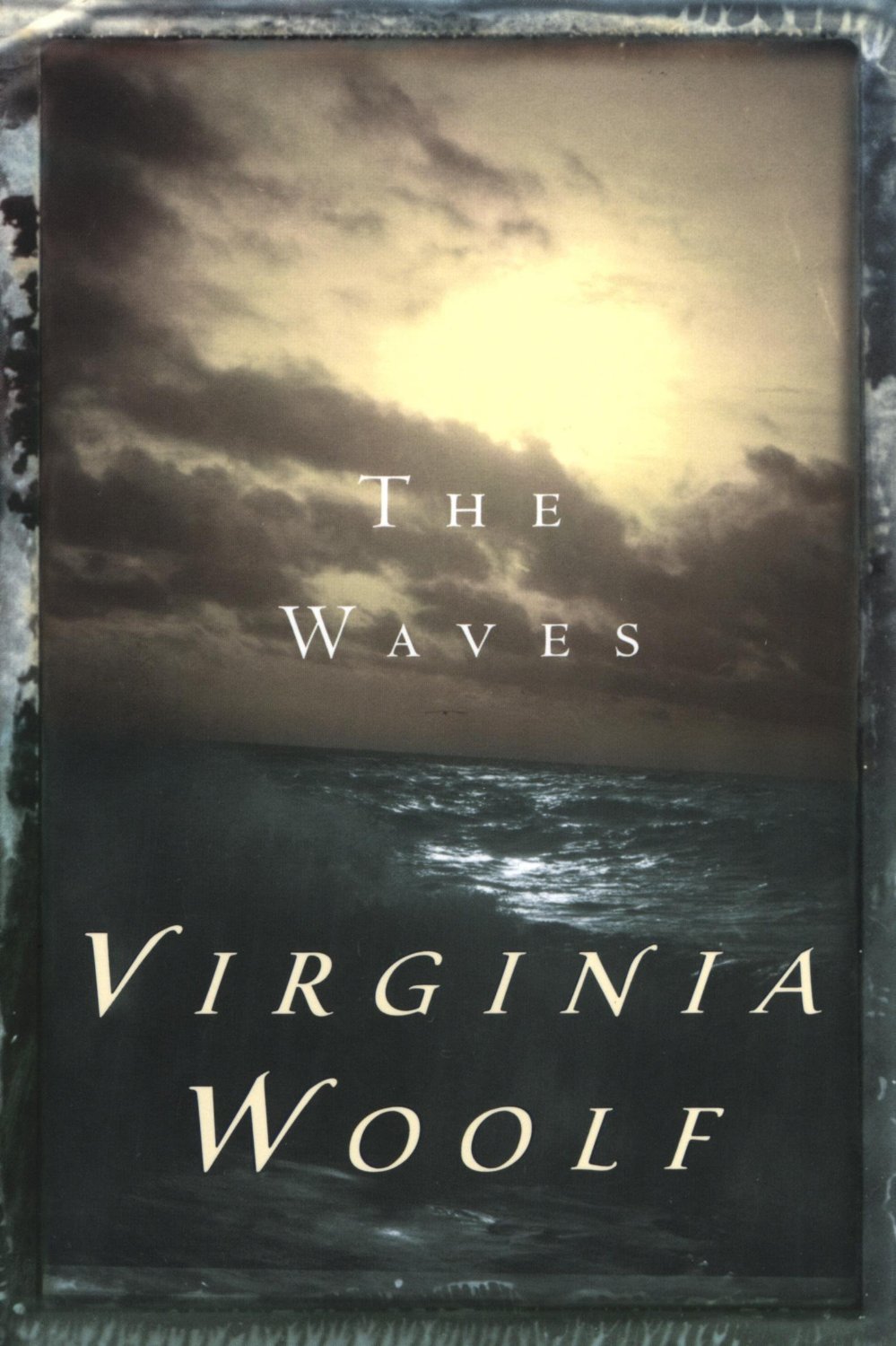
The Waves
1931
Virginia Woolf
Set on the coast of England against the vivid background of the sea, The Waves introduces six characters—three men and three women—who are grappling with the death of a beloved friend, Percival. Instead of describing their outward expressions of grief, Virginia Woolf draws her characters from the inside, revealing them through their thoughts and interior soliloquies. As their understanding of nature’s trials grows, the chorus of narrative voices blends together in miraculous harmony, remarking not only on the inevitable death of individuals but on the eternal connection of everyone. The novel that most epitomizes Virginia Woolf’s theories of fiction in the working form, The Waves is an amazing book very much ahead of its time. It is a poetic dreamscape, visual, experimental, and thrilling.
The Years
1937
Virginia Woolf
The most popular of Virginia Woolf's novels during her lifetime, The Years is a savage indictment of British society at the turn of the century, edited with an introduction and notes by Jeri Johnson in Penguin Modern Classics. The Years is the story of three generations of the Pargiter family - their intimacies and estrangements, anxieties and triumphs - mapped out against the bustling rhythms of London's streets during the first decades of the twentieth century. Growing up in a typically Victorian household, the Pargiter children must learn to find their footing in an alternative world, where the rules of etiquette have shifted from the drawing-room to the air-raid shelter. A work of fluid and dazzling lucidity, The Years eschews a simple line of development in favour of a varied and constantly changing style, emphasises the radical discontinuity of personal experiences and historical events. Virginia Woolf's penultimate novel celebrates the resilience of the individual self and, in her dazzlingly fluid and distinctive voice, she confidently paints a broad canvas across time, generation and class.
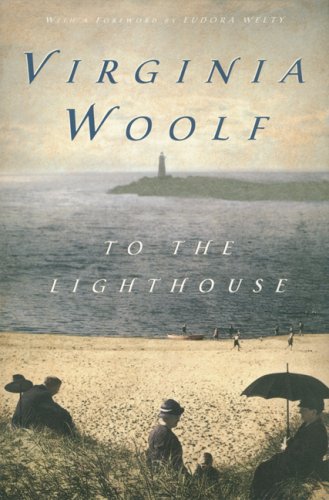
To the Lighthouse
1927
Virginia Woolf
The serene and maternal Mrs. Ramsay, the tragic yet absurd Mr. Ramsay, and their children and assorted guests are on holiday on the Isle of Skye. From the seemingly trivial postponement of a visit to a nearby lighthouse, Woolf constructs a remarkable, moving examination of the complex tensions and allegiances of family life and the conflict between men and women. As time winds its way through their lives, the Ramsays face, alone and simultaneously, the greatest of human challenges and its greatest triumph—the human capacity for change.
Jacob's Room
1922
Virginia Woolf
Virginia Woolf's first original and distinguished work, Jacob's Room is the story of a sensitive young man named Jacob Flanders. The life story, character and friends of Jacob are presented in a series for separate scenes and moments from his childhood, through college at Cambridge, love affairs in London, and travels in Greece, to his death in the war. Jacob's Room established Virginia Woolf's reputation as a highly poetic and symbolic writer who places emphasis not on plot or action but on the psychological realm of occupied by her characters.
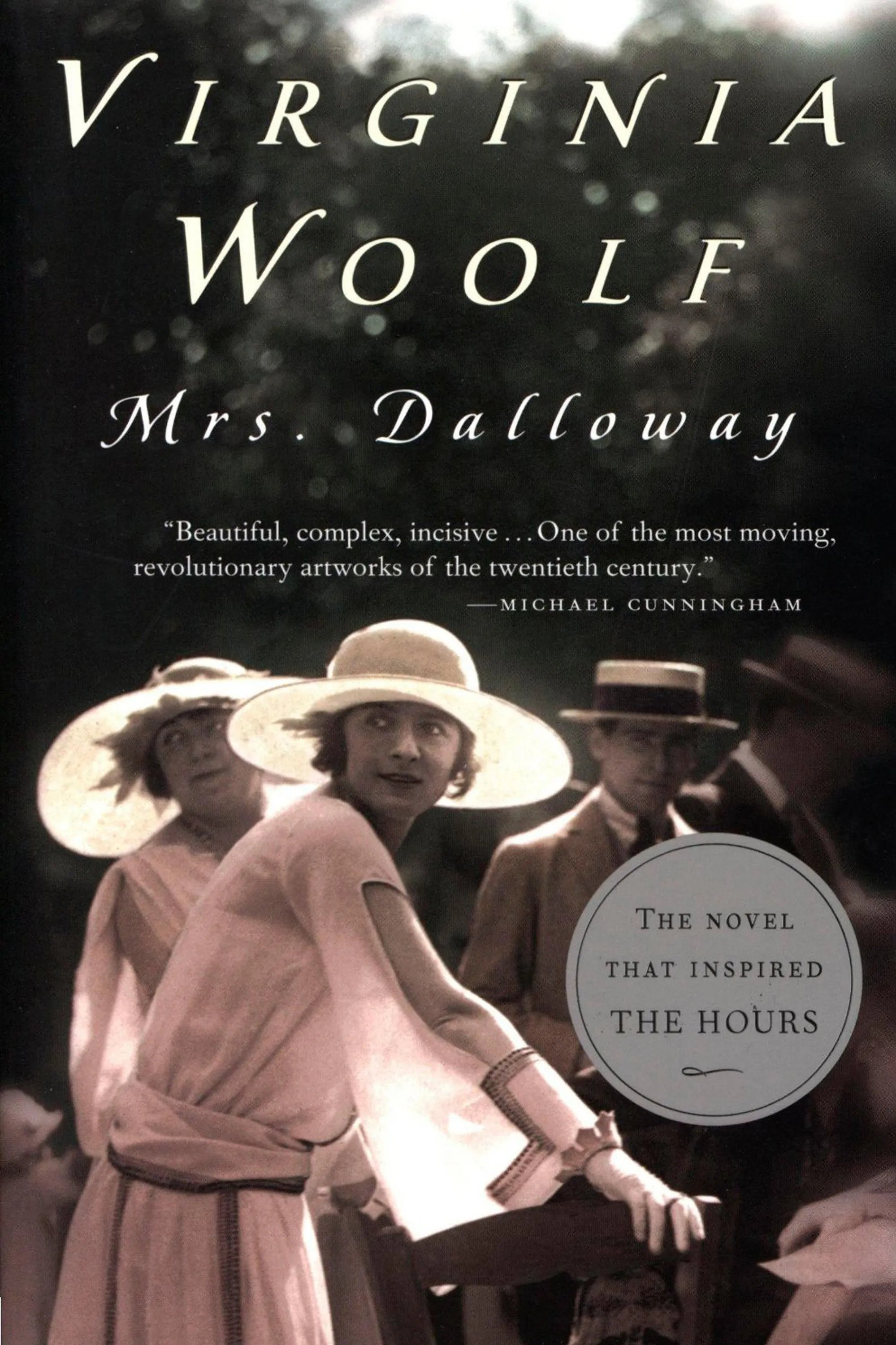
Mrs. Dalloway
1925
Virginia Woolf
Heralded as Virginia Woolf's greatest novel, this is a vivid portrait of a single day in a woman's life. When we meet her, Mrs. Clarissa Dalloway is preoccupied with the last-minute details of party preparation while in her mind she is something much more than a perfect society hostess. As she readies her house, she is flooded with remembrances of faraway times. And, met with the realities of the present, Clarissa reexamines the choices that brought her there, hesitantly looking ahead to the unfamiliar work of growing old.
Orlando
1928
Virginia Woolf
Virginia Woolf's Orlando 'The longest and most charming love letter in literature', playfully constructs the figure of Orlando as the fictional embodiment of Woolf's close friend and lover, Vita Sackville-West. Spanning three centuries, the novel opens as Orlando, a young nobleman in Elizabeth's England, awaits a visit from the Queen and traces his experience with first love as England under James I lies locked in the embrace of the Great Frost. At the midpoint of the novel, Orlando, now an ambassador in Constantinople, awakes to find that he is now a woman, and the novel indulges in farce and irony to consider the roles of women in the 18th and 19th centuries. As the novel ends in 1928, a year consonant with full suffrage for women. Orlando, now a wife and mother, stands poised at the brink of a future that holds new hope and promise for women.