Margins




548 Market St PMB 65688, San Francisco California 94104-5401 USA
© 2026 Paratext Inc. All rights reserved
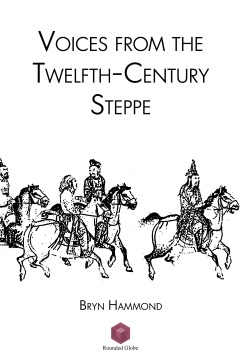
Bryn Hammond has written some astonishingly good historical novels. Her 'Amgalant' series brings to life the twelfth-century Steppe as no scholarly history could hope to do. Yet Hammond has immersed herself in her sources; her books are born of painstaking research and breathe a discipline of imagination rarely encountered in historical fiction. In this scholarly meditation, a digression from her usual writing, Hammond reflects upon the relationship of her own craft to that of the academic historian. Focusing her discussion around The Secret History, the primary Mongolian source for the history of Genghis Khan, composed in the thirteenth century, Hammond asks what it means to discern different voices in what is essentially a communal history constructed from an oral account. What does the novelist as creative writer bring to this text? What might she hear that eludes the careful ears of the academic historian?