
Von der Menschlichkeit in finsteren Zeiten. Rede über Lessing
1960
First Published
4.28
Average Rating
50
Number of Pages
Die politische Dimension der Freundschaft entfaltet Hannah Arendt in ihren klassisch gewordenen "Gedanken zu Lessing", die das gemeinsame Interesse an der Welt betonen. Denn die geschlossene Welt der "Brüderlichkeit", in die "Erniedrigte und Beleidigte" sich ehemals zurückziehen konnten, ist in "finsteren Zeiten" zerstört worden, der Rückzug ins Private gescheitert und das Vergangene nicht zu bewältigen. Hannah Arendt setzt diesen verlorengegangenen Möglichkeiten eine Vision der Freundschaft entgegen, deren politische Leidenschaft vom gemeinsamen Interesse für die Welt lebt. Ihre ebenso polemische wie tröstende Auffassung des Miteinanders erhält im Licht der gegenwärtigen Polarisierung der Gesellschaft und politisch-gesellschaftlicher Krisen neue Bedeutung und Kraft.
Avg Rating
4.28
Number of Ratings
29
5 STARS
45%
4 STARS
41%
3 STARS
10%
2 STARS
3%
1 STARS
0%
goodreads
Author
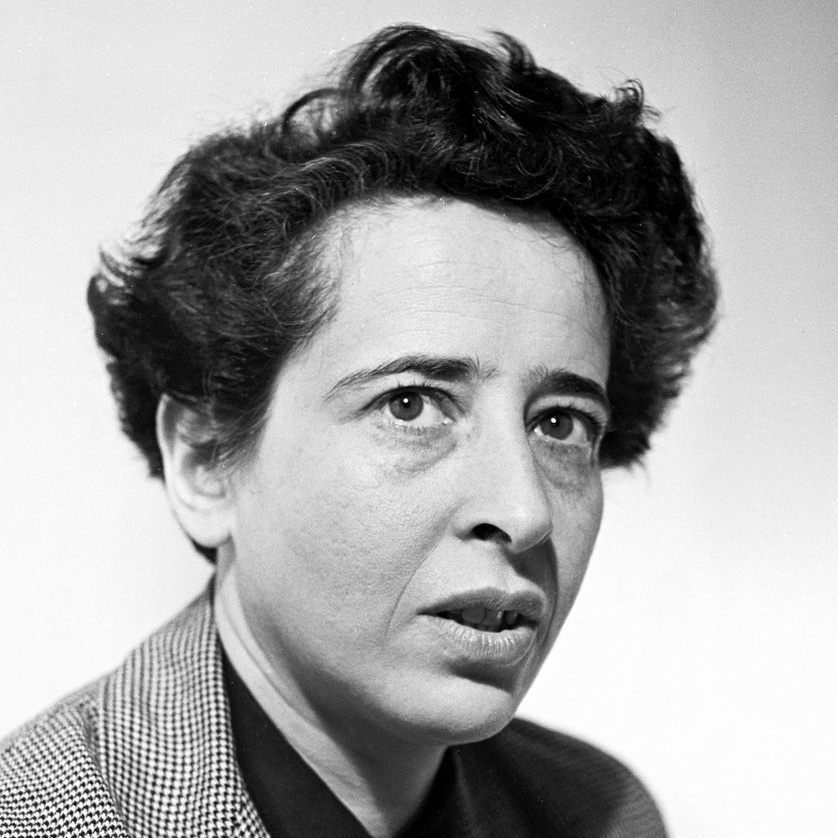
Hannah Arendt
Author · 72 books
Hannah Arendt (1906 – 1975) was one of the most influential political philosophers of the twentieth century. Born into a German-Jewish family, she was forced to leave Germany in 1933 and lived in Paris for the next eight years, working for a number of Jewish refugee organisations. In 1941 she immigrated to the United States and soon became part of a lively intellectual circle in New York. She held a number of academic positions at various American universities until her death in 1975. She is best known for two works that had a major impact both within and outside the academic community. The first, The Origins of Totalitarianism, published in 1951, was a study of the Nazi and Stalinist regimes that generated a wide-ranging debate on the nature and historical antecedents of the totalitarian phenomenon. The second, The Human Condition, published in 1958, was an original philosophical study that investigated the fundamental categories of the vita activa (labor, work, action). In addition to these two important works, Arendt published a number of influential essays on topics such as the nature of revolution, freedom, authority, tradition and the modern age. At the time of her death in 1975, she had completed the first two volumes of her last major philosophical work, The Life of the Mind, which examined the three fundamental faculties of the vita contemplativa (thinking, willing, judging).