Margins




548 Market St PMB 65688, San Francisco California 94104-5401 USA
© 2026 Paratext Inc. All rights reserved
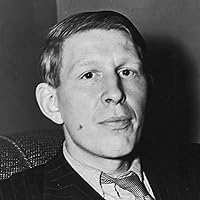
Wystan Hugh Auden was an Anglo-American poet, best known for love poems such as "Funeral Blues," poems on political and social themes such as "September 1, 1939" and "The Shield of Achilles," poems on cultural and psychological themes such as The Age of Anxiety, and poems on religious themes such as For the Time Being and "Horae Canonicae." He grew up in and near Birmingham in a professional middle-class family. He attended English independent (or public) schools and studied English at Christ Church, Oxford. After a few months in Berlin in 1928–29 he spent five years (1930–35) teaching in English public schools, then travelled to Iceland and China in order to write books about his journeys. In 1939 he moved to the United States and became an American citizen in 1946. He taught from 1941 through 1945 in American universities, followed by occasional visiting professorships in the 1950s. From 1947 through 1957 he wintered in New York and summered in Ischia; from 1958 until the end of his life he wintered in New York (in Oxford in 1972–73) and summered in Kirchstetten, Austria. Auden's poetry was noted for its stylistic and technical achievement, its engagement with politics, morals, love, and religion, and its variety in tone, form and content. He came to wide public attention at the age of twenty-three, in 1930, with his first book, Poems, followed in 1932 by The Orators . Three plays written in collaboration with Christopher Isherwood in 1935–38 built his reputation as a left-wing political writer. Auden moved to the United States partly to escape this reputation, and his work in the 1940s, including the long poems For the Time Being and The Sea and the Mirror, focused on religious themes. He won the Pulitzer Prize in Poetry for his 1947 long poem The Age of Anxiety, the title of which became a popular phrase describing the modern era. In 1956–61 he was Professor of Poetry at Oxford; his lectures were popular with students and faculty and served as the basis of his 1962 prose collection The Dyer's Hand. From around 1927 to 1939 Auden and Isherwood maintained a lasting but intermittent sexual friendship while both had briefer but more intense relations with other men. In 1939 Auden fell in love with Chester Kallman and regarded their relation as a marriage; this ended in 1941 when Kallman refused to accept the faithful relation that Auden demanded, but the two maintained their friendship, and from 1947 until Auden's death they lived in the same house or apartment in a non-sexual relation, often collaborating on opera libretti such as The Rake's Progress, for music by Igor Stravinsky. Auden was a prolific writer of prose essays and reviews on literary, political, psychological and religious subjects, and he worked at various times on documentary films, poetic plays, and other forms of performance. Throughout his career he was both controversial and influential, and critical views on his work ranged from sharply dismissive, treating him as a lesser follower of W.B. Yeats and T.S. Eliot, to strongly affirmative, as in Joseph Brodsky's claim that he had "the greatest mind of the twentieth century." After his death, some of his poems, notably "Funeral Blues," Musée des Beaux Arts," "Refugee Blues," The Unknown Citizen," and "September 1, 1939," became known to a much wider public than during his lifetime through films, broadcasts, and popular media.
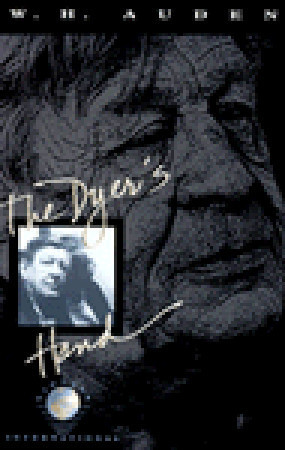
1962
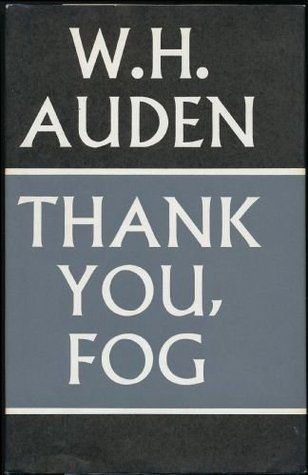
1974
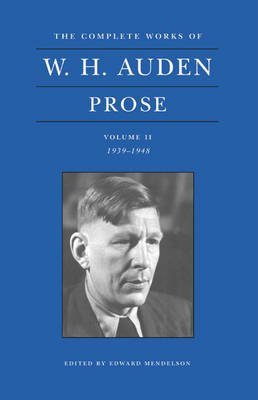
1920
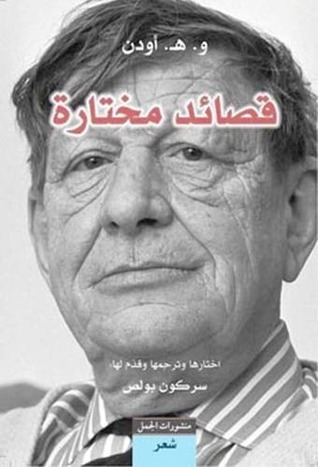
قصائد مختارة
2012
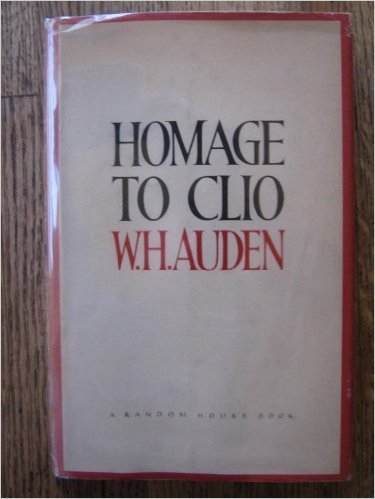
1960
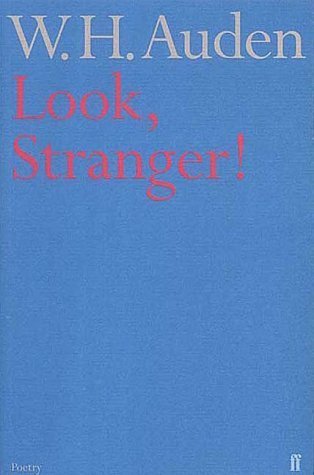
1935
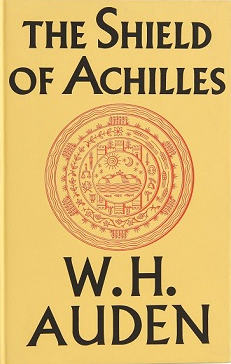
1955
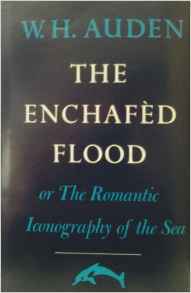
1920
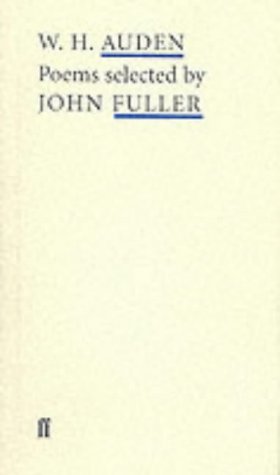
2000
2023
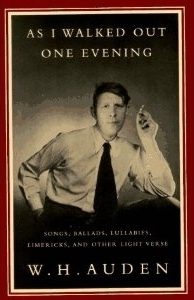
Songs, Ballads, Lullabies, Limericks & Other Light Verse
1995
1969

1972
1968
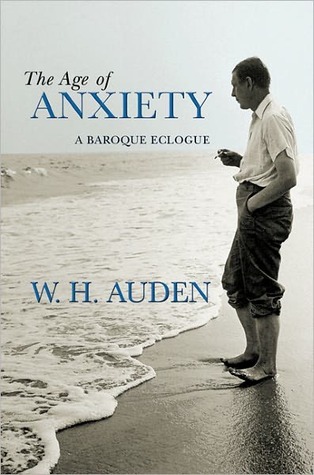
A Baroque Eclogue
1947
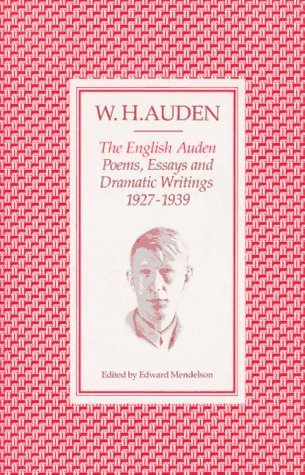
Poems, Essays and Dramatic Writings, 1927-1939
1978
1930

2005
1945
1965
1940
1950
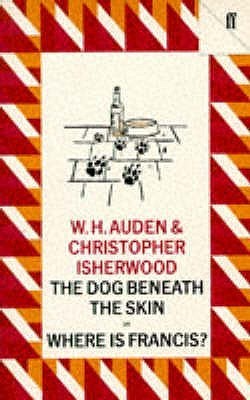
1986
1950
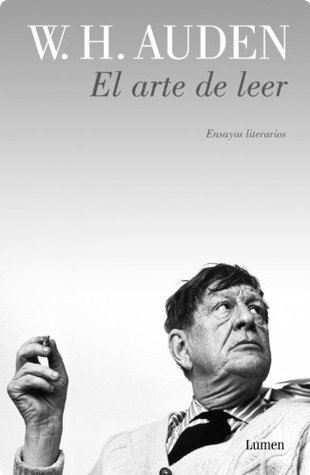
Ensayos literarios
2013
Essays, Volume III
1920
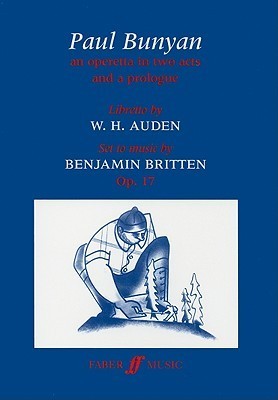
1976
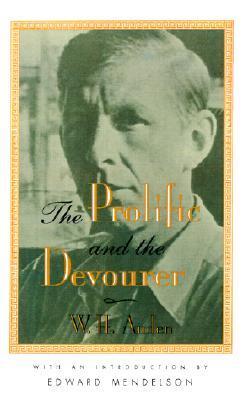
1993
An English Study
1932
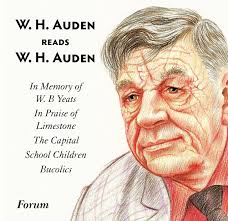
1940
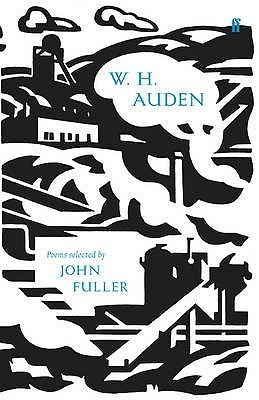
Poems Selected by John Fuller
1998
1940
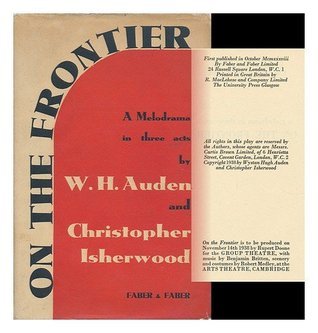
1976
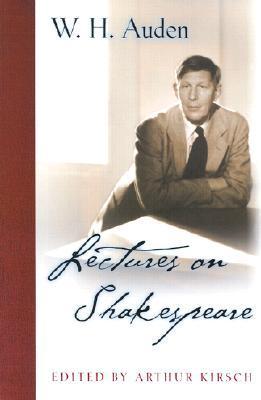
2000
2025
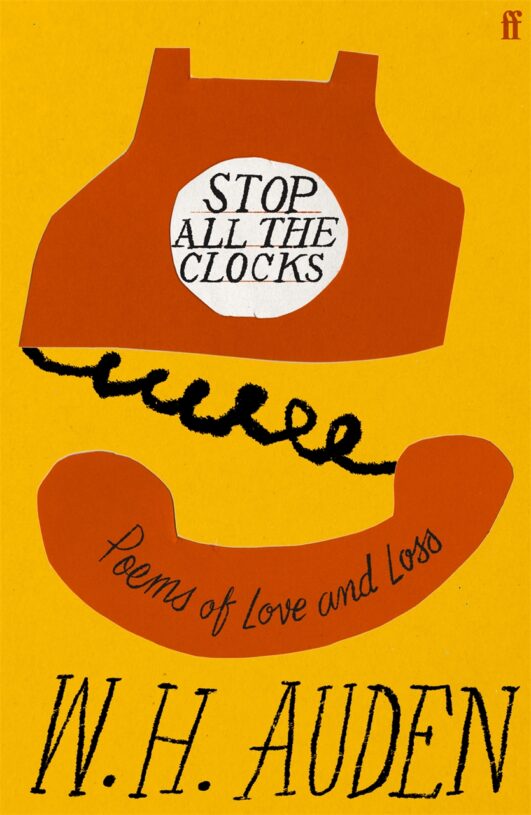
Poems of Love and Loss
2025
2000
1973
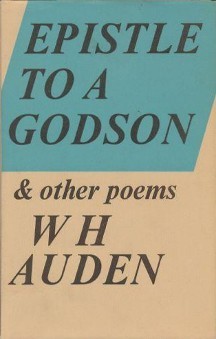
1972

1976
Essays, Volume IV
1920
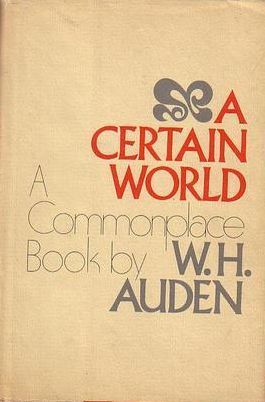
A Commonplace Book
1970
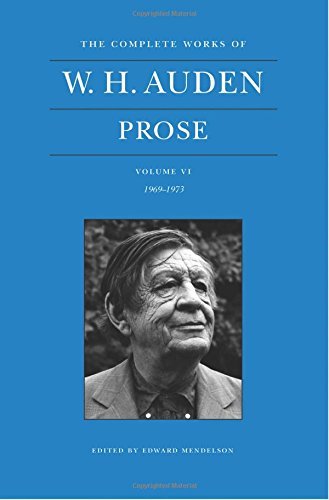
Prose: Volume VI, 1969–1973 by W. H. Auden
2025
1941
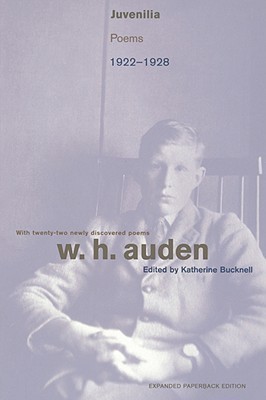
Poems, 1922-1928
1994
1951
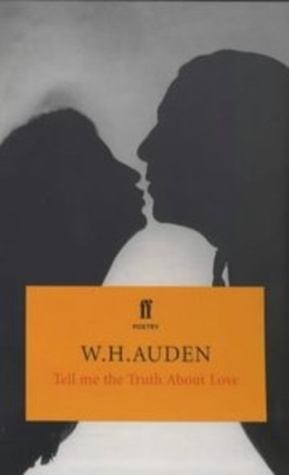
1994
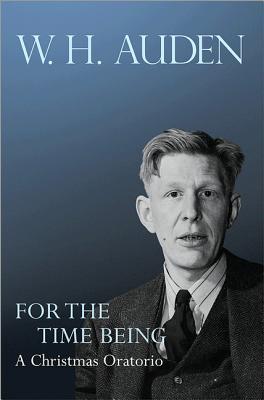
1945
Essays, Volume II
1920
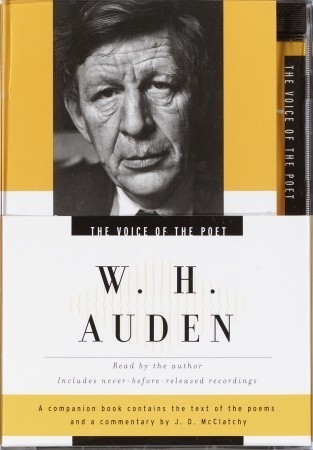
W.H. Auden
1999
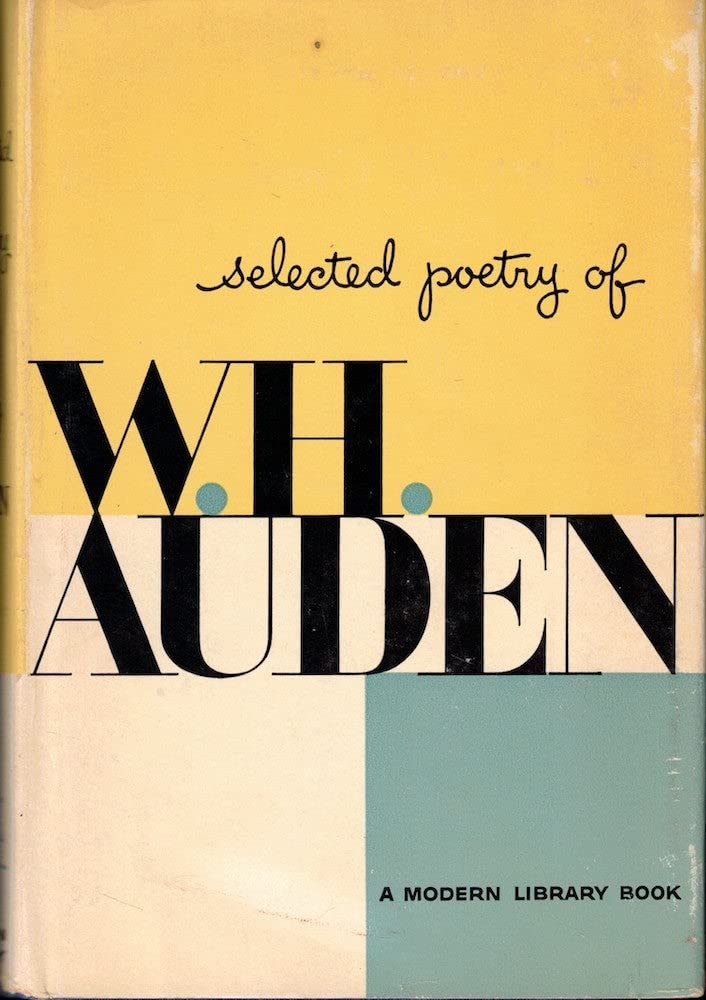
1958
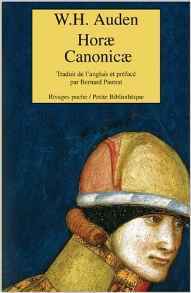
1986
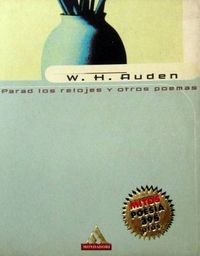
2000
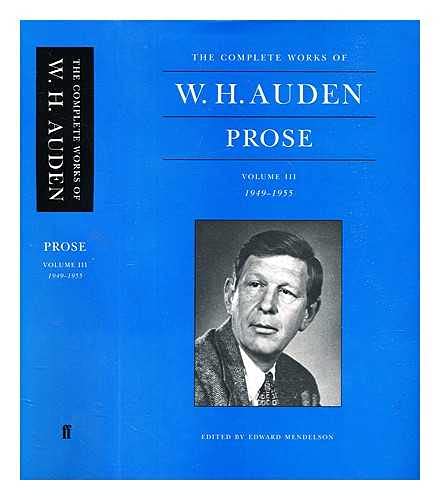
Prose vol. 3, 1949-1955
2008
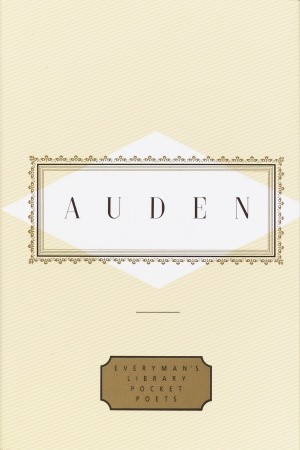
Poems
1995
Auden
1958
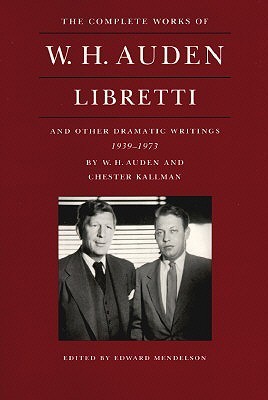
Libretti and Other Dramatic Writings, 1939-1973
1911
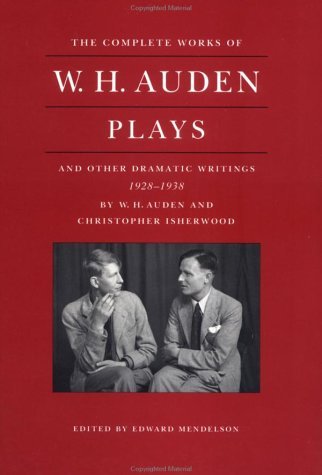
Plays & Other Dramatic Writings, 1928-38
1988
1944
1937
1936

1939