Margins




548 Market St PMB 65688, San Francisco California 94104-5401 USA
© 2026 Paratext Inc. All rights reserved
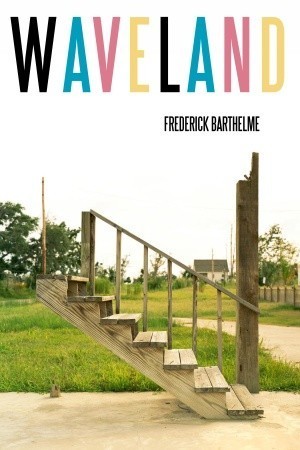
In the aftermath of Hurricane Katrina on Mississippi's Gulf Coast, mostly retired architect Vaughn Williams, who is beset by the routine but no less troubling difficulties of late midlife, is doing what he can to remain, as he says, “viable.” He scans the channels, reads newspapers and blogs online, Googles practically everything, teaches an occasional class at the local junior college, and worries perhaps overmuch about his late father. When his ex-wife, Gail, is assaulted by her hot-tempered new boyfriend, she asks him and his landlady/girlfriend, Greta, to move in with her. Perhaps a little too cavalierly, they agree, and complications distinctly Barthelme-esque follow, including manly confrontations with the perp, lamentations of his father’s life and death, casual moonlight drives, gambling for money, adults playing with trains, and the eventual untimely arrival of Vaughn’s annoyingly successful younger brother, followed closely by Vaughn’s ex-wife’s invitation to remarry. The tattered landscape of the post-hurricane Gulf Coast is the perfect analogue for these catastrophically out-of-order lives, and in this setting the players work into and out of almost all their troubles. In the process, and en route to a satisfying set of resolutions, Barthelme’s acute eye and subtle wit uncover and autopsy an inner landscape of mortality, love, regret, and redemption. The result is his most emotionally resonant work of fiction yet—and a new reason to celebrate him as an American master.