Margins




548 Market St PMB 65688, San Francisco California 94104-5401 USA
© 2026 Paratext Inc. All rights reserved
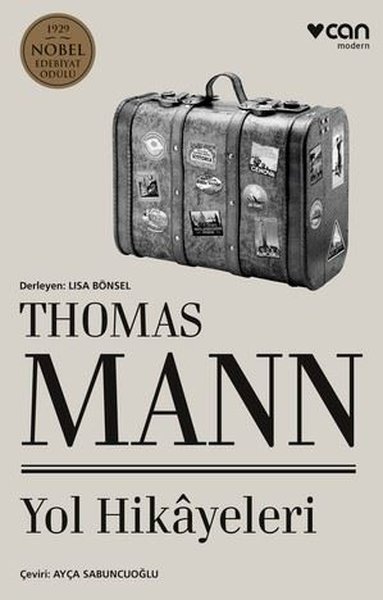
Mekân, kendisi ve doğduğu topraklar arasında döne döne dans edercesine kaçarken, zamana özgü sanılan güçten çok daha fazla gücü olduğunu kanıtlıyor; saatler geçtikçe mekân, zamanın oluşturduklarına çok benzeyen ama bazı açılardan onları da aşan değişimlere neden oluyordu. “Turizmin altın çağı” olarak kabul edilen modern yüzyılda diğer sanatlar gibi edebiyat da dünyayla yeni bir bağ kurmaya başlamıştı. Thomas Mann da birçok çağdaşı gibi hayatı boyunca seyahat eden, defterlerinde ve mektuplarında bu seyahatlerin kaydını tutan, onları romanlarına ve hikâyelerine taşıyan bir yazardı. Venedik’te Bir Ölüm’ün Tadzio’su ve Büyülü Dağ’ın şifa arayan Hans Castorp’u gibi karakterler de onun gezilerinden ve uluslararası duyarlılığından koparılamayacak karakterlerdi. Yol Hikâyeleri, Thomas Mann’ın gezgin kimliğine ışık tutan bir derleme; yok olmuş bir dünyaya ait resimsel izlenimlerle dolu bir albüm.