


Margins
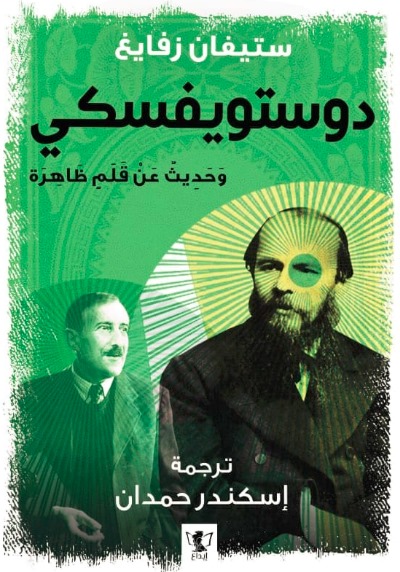
دوستويفسكي، وحديث عن قلم ظاهرة book cover
دوستويفسكي، وحديث عن قلم ظاهرة
2021
First Published
3.82
Average Rating
172
Number of Pages

"إعطاء فيودور ميخائيلوفيتش دوستويفسكي حقّه كاملا، وتبيان كلّ أهميّته في حياتنا الدّاخلية مُهمّة صعبة محفوفة بالمخاطر إذ يستحيل تقدير قوّة تفرّده ومداه. للوهلة الأولى، نظن أنفسنا في وجود عمل محدود لمجرّد كاتب، فإذا بنا نكتشف السّرمد، كونٌ من النّجوم المتحرّكة التي يتردّد صداها في تناغم غريب. فيتملّكنا الاحباط: إذ لن نتمكّن أبدا من معرفة ذلك الكون تمام المعرفة. هديّته لنا للتّو، هي قدرةٌ سحرية بعيدة المدى، فكرةٌ تضيع في لا نهايةٍ ضبابية، كي تتمكّن الرّوح دون وسيطٍ من أن تتأمّل تلك السّماء كما لو كانت سماءَ وطنها". ستيفان زفايغ دراسة معمّقة للكاتب من خلال شخصيات روايته، ومحاولة ناجحة لجعل المرء يتذوّق لأوّل مرّة ربّما ذلك الأدب الغريب، الأدب الرّوسي، أقرب نبض قلم لروح الإنسان على الإطلاق!
Avg Rating
3.82
Number of Ratings
11
5 STARS
36%
4 STARS
18%
3 STARS
36%
2 STARS
9%
1 STARS
0%
goodreads

Authors

ستيفان زفايغ
ستيفان زفايغ
Author · 9 books

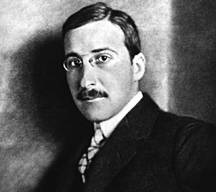
ولد “زفايج” في فيينا عاصمة النمسا عام 1881، اشتهر في بداية حياته كشاعر ومترجم، ثم ذاع صيته في المرحلة التالية في حياته كمؤلف سير وتراجم حين كتب سيرة كل من: “بلزاك”. و”ديكنز” والملكة الفرنسية “ماري أنطوانيت” زوجة ملك فرنسا “لويس السادس عشر”. وفي المرحلة التالية من حياته كتب زفايج عدداً من القصص القصيرة قبل أن يذهل العالم بروايته الخالدة (حذار من الشفقة) في عام 1929 وقد عاش في “لندن” من عام 1934 حتى عام 1940، واكتسب الجنسية البريطانية، ثم هاجر بعد ذلك إلى الولايات المتحدة الأمريكية” ومنها إلى “البرازيل” حيث مات منتحراً في عام 1942 عن (61 عاماً)، وفي العام التالي 1943 نشرت سيرته الذاتية بقلمه بعنوان “عالم الأمس”.

Stefan Zweig
Stefan Zweig
Author · 230 books

Stefan Zweig was one of the world's most famous writers during the 1920s and 1930s, especially in the U.S., South America, and Europe. He produced novels, plays, biographies, and journalist pieces. Among his most famous works are Beware of Pity, Letter from an Unknown Woman, and Mary, Queen of Scotland and the Isles. He and his second wife committed suicide in 1942. Zweig studied in Austria, France, and Germany before settling in Salzburg in 1913. In 1934, driven into exile by the Nazis, he emigrated to England and then, in 1940, to Brazil by way of New York. Finding only growing loneliness and disillusionment in their new surroundings, he and his second wife committed suicide. Zweig's interest in psychology and the teachings of Sigmund Freud led to his most characteristic work, the subtle portrayal of character. Zweig's essays include studies of Honoré de Balzac, Charles Dickens, and Fyodor Dostoevsky (Drei Meister, 1920; Three Masters) and of Friedrich Hölderlin, Heinrich von Kleist, and Friedrich Nietzsche (Der Kampf mit dem Dämon, 1925; Master Builders). He achieved popularity with Sternstunden der Menschheit (1928; The Tide of Fortune), five historical portraits in miniature. He wrote full-scale, intuitive rather than objective, biographies of the French statesman Joseph Fouché (1929), Mary Stuart (1935), and others. His stories include those in Verwirrung der Gefühle (1925; Conflicts). He also wrote a psychological novel, Ungeduld des Herzens (1938; Beware of Pity), and translated works of Charles Baudelaire, Paul Verlaine, and Emile Verhaeren. Most recently, his works provided the inspiration for 2014 film The Grand Budapest Hotel.

548 Market St PMB 65688, San Francisco California 94104-5401 USA
© 2026 Paratext Inc. All rights reserved