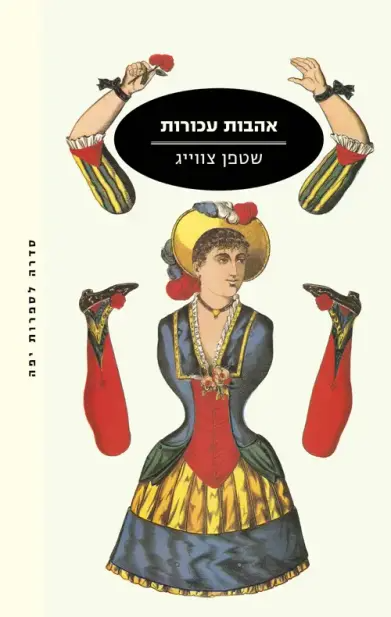



בגנֵבה, בהיסוס או בסערה, מגיעה לה האהבה, בזמנה ובסגנונה הלא־מתחשבים, להתדפק על דלתות דמויותיו של שטפן צווייג. האהבה מתגלה למוזיקאית נחבאת אל הכלים בשם אריקה אוואלד שאפילו לא פיללה לה. היא אורבת בשעות הדמדומים לנער אנגלי מבולבל במשעולי הגן. היא משתקפת מבעד לעיניהן הנרעשות של שתי ילדות תמימות, המנסות לגלות את סודה הכאוב של האומנת האהובה שלהן. היא אפילו מטרידה בזמן חופשה משפחתית את מנוחתו של סוכן נוסע החושד ברומן שמנהלת בתו המצודדת עם אחד הגברברים המתארחים במלון - אבל לכל הרוחות, עם מי מהם?! יש מי שחולף על פניה של האהבה ובתוך שעה מאבד אותה לע ד, יש מי שמניח לה להישמט מידו כפרי בוסרי הנופל אל הקרקע בטרם הבשיל, יש מי שמסתפק במרירות הוויתור עליה ויש מי שתאוות הבשרים שהיא מעוררת מטילה עליו אימה כה גדולה, שהוא מכריז עליה מלחמת חורמה. כך או אחרת - עבור כולם, הדרך שבה בחרו לענות לקריאתה של האהבה מתבררת לימים כאירוע מכונן שלאחריו כבר שום דבר לא נותר כשהיה.בארבע נובלות, שרואות לראשונה אור בתרגום חדש לעברית, תוהה הסופר האוסטרי הנודע שטפן צווייג על טיבן של דמויותיו הנרתעות מפניה של האהבה, מאבדות עם הזמן את הזיקה אליה או מבכרות את מימושה בדמיון על פני התממשותה במציאות. Includes the novelas: Die Liebe der Erika Ewald Geschichte in der Dämmerung Die Gouvernante Untergang eines Herzens
Authors
Hebrew name of Stefan Zweig alternative spelling סטפן צווייג

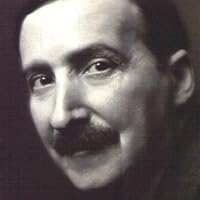
Stefan Zweig was one of the world's most famous writers during the 1920s and 1930s, especially in the U.S., South America, and Europe. He produced novels, plays, biographies, and journalist pieces. Among his most famous works are Beware of Pity, Letter from an Unknown Woman, and Mary, Queen of Scotland and the Isles. He and his second wife committed suicide in 1942. Zweig studied in Austria, France, and Germany before settling in Salzburg in 1913. In 1934, driven into exile by the Nazis, he emigrated to England and then, in 1940, to Brazil by way of New York. Finding only growing loneliness and disillusionment in their new surroundings, he and his second wife committed suicide. Zweig's interest in psychology and the teachings of Sigmund Freud led to his most characteristic work, the subtle portrayal of character. Zweig's essays include studies of Honoré de Balzac, Charles Dickens, and Fyodor Dostoevsky (Drei Meister, 1920; Three Masters) and of Friedrich Hölderlin, Heinrich von Kleist, and Friedrich Nietzsche (Der Kampf mit dem Dämon, 1925; Master Builders). He achieved popularity with Sternstunden der Menschheit (1928; The Tide of Fortune), five historical portraits in miniature. He wrote full-scale, intuitive rather than objective, biographies of the French statesman Joseph Fouché (1929), Mary Stuart (1935), and others. His stories include those in Verwirrung der Gefühle (1925; Conflicts). He also wrote a psychological novel, Ungeduld des Herzens (1938; Beware of Pity), and translated works of Charles Baudelaire, Paul Verlaine, and Emile Verhaeren. Most recently, his works provided the inspiration for 2014 film The Grand Budapest Hotel.