


Margins
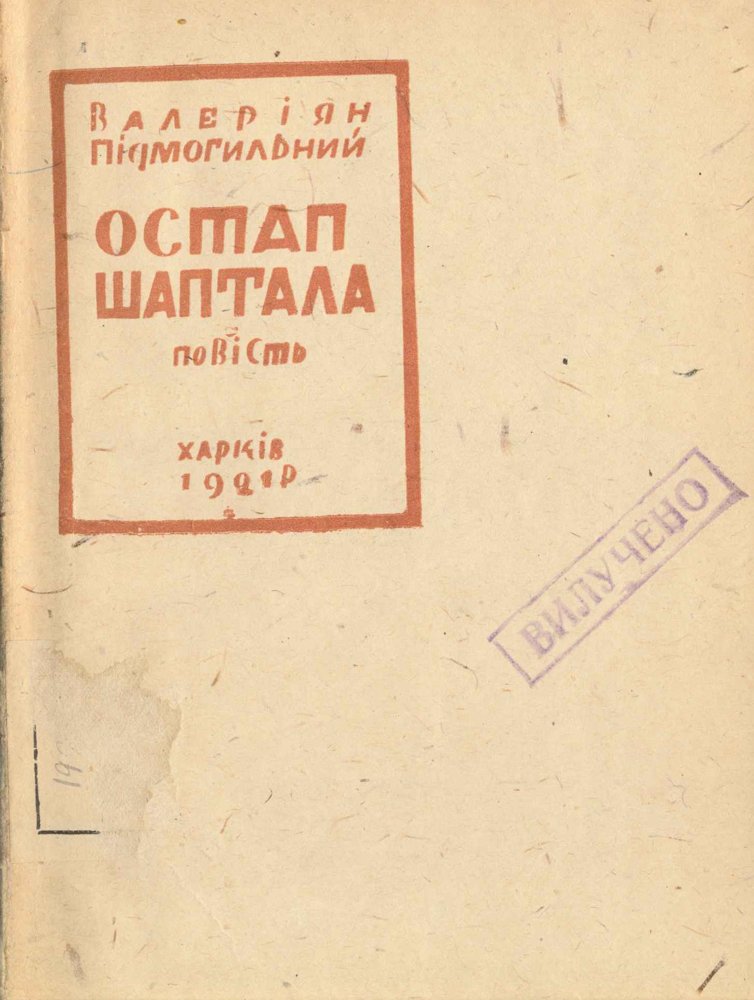
Остап Шаптала. Повісті book cover
Остап Шаптала. Повісті
1922
First Published
4.10
Average Rating
190
Number of Pages

Валер’ян Підмогильний (1901—1937) — один з найвизначніших прозаїків доби Розстріляного відродження, перекладач, літературознавець, мовознавець. Сприяв входженню української літератури до європейського культурного простору. В інтелектуально-психологічній прозі В. Підмогильного самотність та відчуженість головних персонажів породжені несвободою людини в абсурдному світі. Остап Шаптала, герой однойменної повісті, після смерті рідної сестри відчуває перед нею провину та потрапляє в «межову ситуацію». Письменник застерігає від ілюзій та пошуку об’єктів поклоніння, якими можуть бути не лише люди, а й ідеї, речі та образи. Герой «Повісті без назви» розшукує у місті чарівну незнайомку, щоб заново осягнути цінність людського існування. Цей твір містить роздуми про мету мистецтва, а отже, частково розкриває естетичні погляди В. Підмогильного.
Avg Rating
4.10
Number of Ratings
41
5 STARS
34%
4 STARS
44%
3 STARS
20%
2 STARS
2%
1 STARS
0%
goodreads

Authors

Valerian Pidmohylny
Valerian Pidmohylny
Author · 9 books
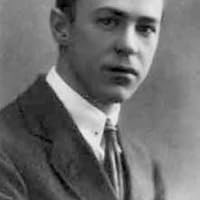
Writer and translator. He graduated from high school in Katerynoslav in 1918 and then continued his studies at Kyiv University. In 1921 he began working with various publishing houses and joined the editorial board of Zhyttia i revoliutsiia. The first of his short stories to be published were ‘Vania’ and ‘Haidamaky’ (Haidamakas), which appeared in 1919 in Sich, a journal in Katerynoslav. He also contributed to the almanac Vyr revoliutsiï (1921). He was a member of the literary organization Lanka. His published collections of stories include Tvory (Works, vol 1, 1920), V epidemichnomu baratsi (In the Quarantine Ward, 1922), Povstantsi i ynshi opovidannia (The Insurgents and Other Stories, 1923), Viis’kovyi litun (Army Pilot, 1924), and Problema khliba (The Problem of Bread, 1927, 1930). He also wrote the novelette Ostap Shaptala (1922). Pidmohylny's early works focus on various pre- and postrevolutionary realities, such as the Famine of 1921–3. His most notable work is the novel Misto (The City, 1928), one theme of which captures the relationship between the city and the village against the backdrop of the New Economic Policy. His last published work was Nevelychka drama (A Little Drama), a novel about people in the ‘era of socialist reconstruction,’ which was serialized in Zhyttia i revoliutsiia in 1930 but first released separately in Paris in 1956. It appeared in translation as A Little Touch of Drama (trans by George Stephen Nestor Luckyj and M. Luckyj, 1972). Pidmohylny's translations, particularly those of the works of Honoré de Balzac, Denis Diderot, Anatole France, Guy de Maupassant, and Stendhal, significantly influenced the development of Ukrainian literature in the 1920s. Pidmohylny's early works were subjected to severe official criticism. Some were even attacked for ‘romanticizing Makhnovism’ (Andrii Khvylia). The novel Misto was also denounced. Pidmohylny was expelled from his editorial position in 1930 and was arrested in 1934. He was incarcerated in various prisons and concentration camps until he was shot, along with many other Ukrainian writers. He was rehabilitated in 1956. Misto and some other stories were republished in Ukraine in 1989. A selection of stories, including some previously never published, appeared in 1991 as Istoriia pani Ïvhy (The Story of Mrs Ivha).
548 Market St PMB 65688, San Francisco California 94104-5401 USA
© 2026 Paratext Inc. All rights reserved