Authors

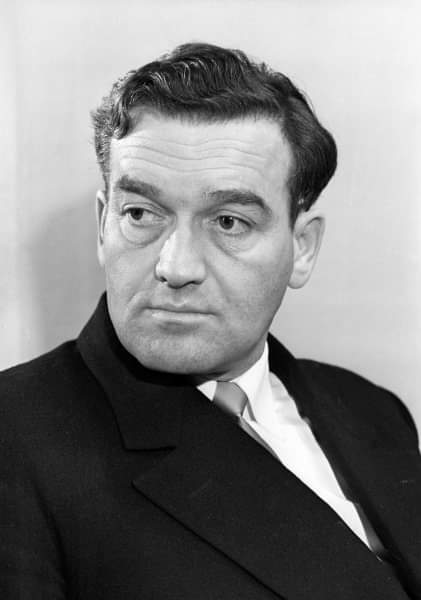
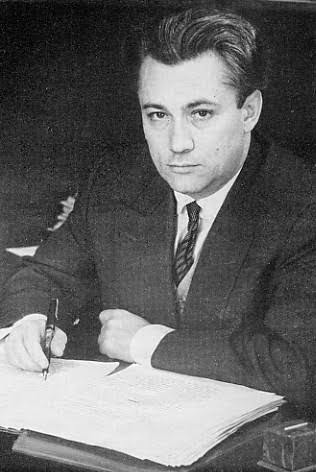
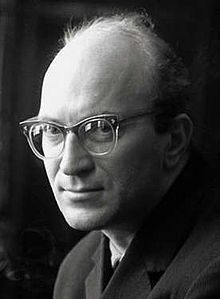
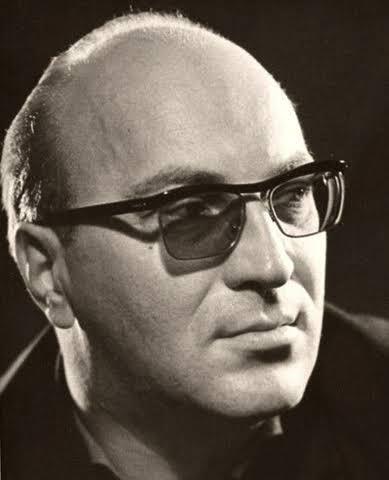
Yuri Markovich Nagibin (Russian: Юрий Маркович Нагибин; April 3, 1920 – June 17, 1994) was a Soviet writer, screenwriter and novelist. He is best known for his screenplays, but he also has written several novels and novellas, and many short stories. He is known for his novel The Red Tent that he later adapted for the screenplay for the film of the same name.[1] The novel was based on the history of Don Quixote's expedition to the North Pole. The themes he explores range from war to ritual, history and cars. Nagibin's mother was pregnant with him when his father was executed as a counter-revolutionary before he was born. He was raised by a Jewish stepfather from infancy, and was unaware of that he had a different father, so he always assumed he was Jewish himself. Mark Anthony, his stepfather was arrested himself and exiled to Northern Russia in 1927. Nagibin found out late in life that he was not in fact Jewish, but he consciously retained ethnic Jewish identity, having suffered many anti-Semitic incidents in the course of his life.[2] In October 1993, he signed the Letter of Forty-Two.[3] He was born, and died, in Moscow, and was buried in Novodevichy Cemetery.

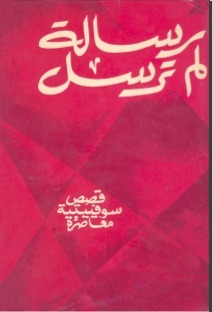
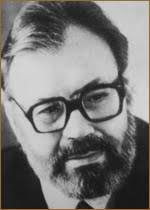
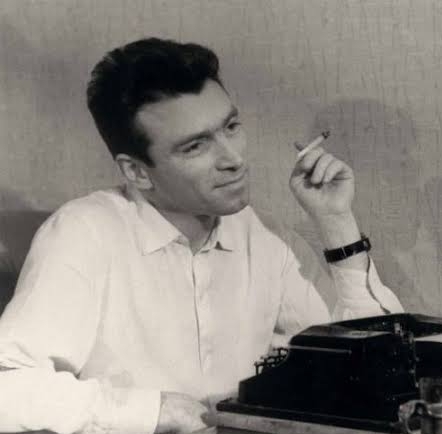
Valery Dmitrievich Osipov (August 17, 1930-1987), Soviet writer, journalist and screenwriter. In 1954 he graduated from the Faculty of Journalism of Moscow State University. In 1958 he wrote the essay "The Secret of the Siberian Platform", on which the film "Unsent Letter" by Mikhail Kalatozov was set. He was the husband of actress Tatyana Samoilova.

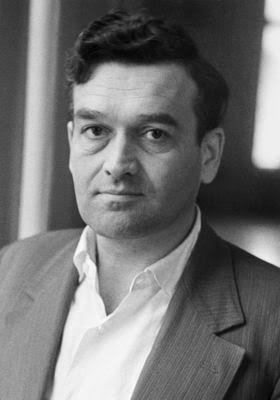
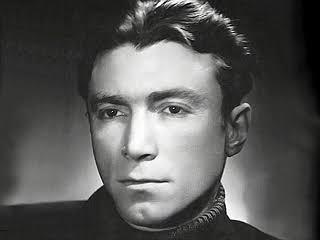
Виктор Конецкий Viktor Viktorovich Konetsky was born in the family of an investigator. His childhood and teenage years were associated with the Admiralty Canal in the historical part of St. Petersburg. In the summer of 1941, he was with his mother and brother in Ukraine, where he met the beginning of the Great Patriotic War. In August, the Konetskys were able to reach Leningrad, and then a circle of encirclement closed around the city. They spent the most difficult winter of 1941-1942 in besieged Leningrad. In March 1942, the Konetskys were evacuated across the ice of Lake Ladoga to the Big Land and further to Tashkent, where they remained until the fall of 1944. In 1945, Viktor Konetsky entered the Leningrad Naval Preparatory School, and in 1948 he entered the navigational department of the First Baltic Naval School, which he graduated in 1952. From 1953 to 1955 he served on the ships of the 441st Separate Division of the Emergency Rescue Service of the Northern Fleet. Subsequently, some of his observations formed the basis of the short story "The Way to the Pier" and the film of the same name. In March 1955, Viktor Konetsky was demobilized and already in May, as the captain of the MRS-823, he took part in ferrying ships along the Northern Sea Route from Petrozavodsk to Petropavlovsk-Kamchatsky. This was the first ever crossing of a caravan of small vessels in the Arctic. In the same year, Viktor Konetsky joined the Literary Association at the Leningrad branch of the USSR Writers' Union. The first story - "In the Sea" - was published in 1956, in the almanac "Young Leningrad", and in May 1957, the first collection of stories - "Draft" was published. In the early 60s, he was invited as a screenwriter to work in cinematography: in the creative co-authorship were created scripts for such films as "Striped Flight", "The Way to the Dock", "Thirty Three". Since May 1964 Viktor Konetsky combines work in the navy and literary activity. He went from the fourth mate to the sea captain.

Arabic profile for Victor Konetsky مؤلف روسي مشهور، تخرج من الكلية البحرية الحربية العليا، عمل بحارا، وملاحا. اختصت كتاباته عن رفاقه البحارة، عما رآه بنفسه، عما يعرفه جيدا، عما عناه وأحس به. ظهرت قصص كونيتسكي في الصحافة بانتظام. وتمتع بشهرة خاصة لدى القراء. أشهر أعماله: •مهمات الغد •إذا دعاك رفيق •حكاية عن عامل الراديو كاموشكين •في الطريق إلى المرسى

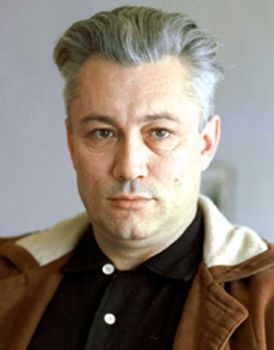
Sergey Petrovich Antonov Сергей Петрович Антонов Russian Soviet writer, playwright, screenwriter, literary critic. Laureate of the Stalin Prize of the third degree ( 1951 ). Born on May 3 (16), 1915 in Petrograd in the family of a railway engineer, in his childhood he traveled a lot in the South of Russia, the Urals, the Volga region and Central Asia. After school he worked as a handyman at construction sites. Graduated from the Leningrad Highway Institute (1938), was a civil engineer, a teacher at a technical school. On the fronts of the Soviet-Finnish and the Great Patriotic War, he commanded engineering and sapper units. First appeared with poetry in 1943-1946; the first story "Spring" was published in 1947. In subsequent collections of stories ("Cars are going along the roads", 1950, USSR State Prize, 1951; "Peaceful people", 1950), stories "Lena" (1948), "Poddubenskie ditties" ( 1950), "First position" (1952), "Green Dol" (1953-1954), "It was in Penkovo" (1956), "Alenka" (1960), "Torn Ruble" (1966), short stories "Rains" (1951), "Empty voyage" (1960), etc., the characteristic features of Antonov's work were manifested, which provided him with a solid place in the history of Russian everyday and psychological prose of the 20th century: the clarity and plasticity of "pastel", "Chekhov" writing, essay facts, A special theme of Antonov's work, in which the writer can be considered the predecessor of V.M. Shukshin with his "freaks" and the hero of "Kalina Krasnaya" tractor driver (also the hero of the film based on the story of the same name by Antonov; directed by S.I. Rostotsky) and, no less - in Antonov's scripts for the famous films "There lived a songbird" (directed by O.D. Ioseliani), "Flights in dreams and "(directed by R. G. Balayan).


Arabic profile for Yuri Nagibin ولد يوري مارکوفيتش ناغيبين في موسكو في واحدة من أكثر زواياها شعرية و«أدبية». في حي تشستِي برودي (البِرَك الصافية) الذي ارتبط به في الأدب الوطني اسم ميخائيل لولغاكوف ومن ثم اسم يوري نجيبين نفسه الذي أصدر في الخمسينيات مجموعة قصص قصيرة بعنوان «تشيستِي برودي». لم يكن طريق نجيبين بالبحث عن نفسه وعن مكانته في الأدب بسيطاً. فقد كان في البداية مولعاً بكرة القدم ثم تركها ودرس لبرهة من الزمن في معهد موسكو الطبي الأول وفي معهد السينما في كلية السيناريو حتى بداية الحرب الوطنية العظمى (الحرب العالمية الثانية) وأتقن في الحرب وبعدها العمل في مهنة الصحافة، في البداية في صحيفة «ترود» ومن ثم في الدوريات الأخرى. تحدد مصيره اللاحق بفضل تعَرُّفَه على ف. كاتايف ويو. اليوشا وأندريه بلاتونوف وبفضل نشره في مجلة «اوغونيوك» (الشعلة) لقصتة القصيرة الأولى «خطأ مزدوج». ومنذ عام ١٩٥٦ صارت قصص يوري نجيبين وقصصه القصيرة تنشر في الصحافة بانقطاع غير طويل لسنتين او ثلاث: في عام ١٩٥٦ - قصة «السعادة الصعبة»؛ ١٩٥٩ - قصة «بافليك» و«السفارة العظيمة»؛ - «صفحات من حياة تروبنيكوف»؛ ١٩٦٤ - «بعيداً عن الحرب»؛ ١٩٦٧ - «مملكة النساء». عمل يوري نجيبين في وقت واحد كاتب سيناريوهات (مثل سيناريوهات أفلام «الرئيس» و«المدير» و«مملكة النساء» و«الخيمة الحمراء»، و«تشايكوفسكي»-مشاركة) وكاتباً مسرحياً (مسرحية «نساء مدينة سودجا» - مشاركةً)، بل حتى كاتباً لنصوص الحوار في الأوبرا (لأوبرا مولتشانوف «النساء الروسيات»). تم إطلاق النار على كيريل ألكسندروفيتش ، والد الكاتب المستقبلي ، قبل ولادة يوري بوقت قصير حيث كان قد شارك في انتفاضة الحرس الأبيض في مقاطعة كورسك.

Arabic profile for Konstantin Paustovsky كاتب كلاسيكي للأدب السوفيتي والروسي، درس في جامعة كييف، بدأ النشر عام ١٩١٢، كان في اتحاد الكتاب السوفيت، ترجمت كتبه إلى لغات مختلفة من العالم. منذ منتصف القرن العشرين، بدأت أعماله تدرس في الأدب الروسي في مدارس التعليم العام. حصل قسطنطين باوستوفسكي على العديد من الجوائز والميداليات.

Arabic profile for Yuri Kazakov كان يوري كازاكوف موسيقيًا وكاتبًا محترفًا ، وبالنسبة للعديد من معاصريه وأولئك الذين ولدوا بعد وفاته ، لا يزال أحد كتاب النثر المفضلين. لكن ليس من السهل العثور على مجلد من قصصه على أرفف الكتب في المتاجر ، لذا فإن مجموعة «Long Shouts» ، التي أصدرتها دار النشر في إيركوتسك ، هي هدية حقيقية لخبراء نثر يوري كازاكوف «الصوتي». كانت الموهبة الرئيسية للكاتب هي قدرته المذهلة على حب وتوحيد غير المتوافق على قدم المساواة: المدينة والريف ، والموسيقى الكلاسيكية والجاز ، والأدب السوفيتي والمهاجر ، والفيزياء والشعراء ، ورومانسية الشمال وراحة منزل موسكو ... قصصه إنها خارقة ، رقيقة ، "رنانة" ، مكتوبة بلغة روسية جميلة ومرتبة ، لم يعد يعرفها أطفال الألفية الجديدة ، تثير الحزن والشعور بسعادة كبيرة - فرصة "لسماع" حياة أخرى وزمن آخر.


Yuri Pavlovich Kazakov was a Russian author of short stories. He started out as a jazz musician, but turned to publishing his stories in 1952. He attended the Maxim Gorky Literature Institute, graduating in 1958. Kazakov was born to a worker's family in Moscow and grew up in the old Arbat area, which has today been turned into a tourist attraction but in the mid-1900s was the focal point of Russian culture. He emerged as a writer only thanks to the short period in recent Russian history known as "the Thaw", but in the mid-1960s, this period gave way to stagnation in culture and public life. Kazakov produced some of his best stories in the 1970s, which dealt with the merging of two souls, the soul of the newborn and the soul of the poet at the end of his life. Kazakov died on November 29, 1982 and was buried in Vagankovo Cemetery in Moscow.