Margins
دور اللاشعور ومعنى علم النفس للإنسان الحديث book cover
دور اللاشعور ومعنى علم النفس للإنسان الحديث
2026
First Published
3.80
Average Rating
167
Number of Pages
يقول كارل غوستاف يونغ في مقدمة كتابه أنه وبخمس عشرة سنة خلت وبمعزل عن مدرسة فرويد، وعلى أساس من أبحاثه التجريبية الخاصة، توصل إلى الاقتناع بوجود سياقات غير شعورية خافية . وبأهمية هذه السياقات، مشيراً في نفس الوقت إلى الأساليب التي يمكن أن يبرهن بها على وجود الخافية، ثم استطاع بالتعاون مع عدد من تلامذه، أن يبرهن أيضاً على أهمية السياقات الخافية في غير الأصحاء عقلياً. لذا فقد جاء كتابه في هذا الإطار حيث يوضح بأنه ونتيجة لهذا التطور الطبي الصرف، اتخذ مفهوم الخافينة (اللاشعور) سمة مستمدة من العلوم التطبيقية في بادئ الأمر، والذي ظل مفهوماً طبياً صرفاً في مدرسة فرويد. وتذهب هذه المدرسة إلى أن الإنسان بما أن هو كائن متمدن، لا يستطيع أن يلبي عدداً كبيراً من بواعثه ورغباته الغريزية، لأنها تتعارض مع القوانين والقيم الأخلاقية. لذلك يضطر إلى كبح جماح هذه الرغبات إن كان يريد التكيف مع المجتمع، غير أن هذه الرؤية تصل بالباحث إلى اعتماد إبانة عامة تفيد بأن الرغبات التي تتنافى مع المجتمع، الرغبات غير المعتدلة، رغبات موجودة أصلاً، وجديه تظهر له أن الوقائع تختلف اختلافاً مبيناً عندما يراد تطبيق هذه القاعدة على الحالات الفردية، عندئذ تثبت له الخبرة أن الجدار الرقيق الذي يفصل بين الرغبة ووعي الرغبة، وهو ما يحدث في أكثر الأحيان قد انهار نتيجة لكبح جماعي الرغبة غير المقبولة، حتى لقد تصبح الرغبة خافية وغير شعورية. ومن هذا المنطلق لقد أصبحت الآن رغبة منسية وحل محلها تبرير عقلاني نوعاً ما، إن كان في الحقيقة يبحث عن باعث أصلاً. على ضوء هذه الرؤية دار البحث في هذا الكتاب حول دور الخافية (اللاشعور) العقل والأرض، معنى علم النفس للإنسان الحديث، حالة العلاج النفسي اليوم مشكلة الحب في أوساط الطلبة، المرأة في أوروبا.

Avg Rating
3.80
Number of Ratings
41
5 STARS
32%
4 STARS
32%
3 STARS
29%
2 STARS
0%
1 STARS
7%
goodreads

Authors

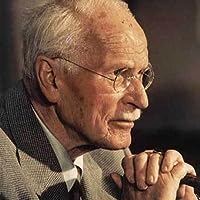
كارل غوستاف يونغ
كارل غوستاف يونغ
Author · 1 book

كارل كوستاف يونج (بالإنجليزية: Carl Jung)، هو عالم نفس سويسري ومؤسس علم النفس التحليلي. البروفايل الإنجليزي C.G. Jung

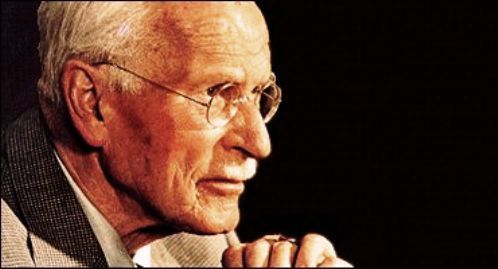
Carl Jung
Carl Jung
Author · 135 books

Carl Gustav Jung (/jʊŋ/; German: [ˈkarl ˈɡʊstaf jʊŋ]), often referred to as C. G. Jung, was a Swiss psychiatrist and psychotherapist who founded analytical psychology. Jung proposed and developed the concepts of extraversion and introversion; archetypes, and the collective unconscious. His work has been influential in psychiatry and in the study of religion, philosophy, archeology, anthropology, literature, and related fields. He was a prolific writer, many of whose works were not published until after his death. The central concept of analytical psychology is individuation—the psychological process of integrating the opposites, including the conscious with the unconscious, while still maintaining their relative autonomy. Jung considered individuation to be the central process of human development. Jung created some of the best known psychological concepts, including the archetype, the collective unconscious, the complex, and synchronicity. The Myers-Briggs Type Indicator (MBTI), a popular psychometric instrument, has been developed from Jung's theory of psychological types. Though he was a practising clinician and considered himself to be a scientist, much of his life's work was spent exploring tangential areas such as Eastern and Western philosophy, alchemy, astrology, and sociology, as well as literature and the arts. Jung's interest in philosophy and the occult led many to view him as a mystic, although his ambition was to be seen as a man of science. His influence on popular psychology, the "psychologization of religion", spirituality and the New Age movement has been immense.

548 Market St PMB 65688, San Francisco California 94104-5401 USA
© 2026 Paratext Inc. All rights reserved