Margins




548 Market St PMB 65688, San Francisco California 94104-5401 USA
© 2026 Paratext Inc. All rights reserved
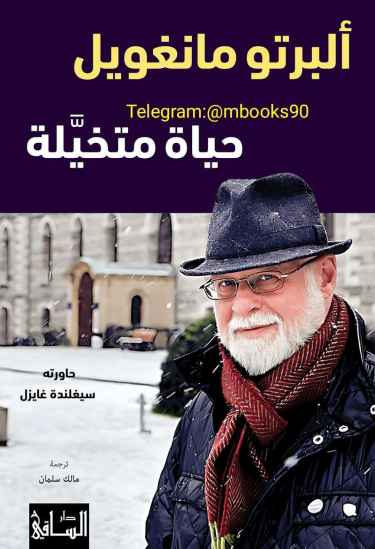
كنهرٍ يفيض ماؤه على ضفّتَي الكلام، يتدفّق مانغويل ما إن تلامس محاوِرتُه موضوعاً يتعلّق بالقراءة. في هذا الكتاب يتحدّث مانغويل عن طفولته، تكوينه الفكري، عملِه وهو في السادسة عشرة من العمر قارئاً يتلو الكتب على بورخيس، مكتبتِه التي ضمّت أربعين ألف كتاب، إدارته للمكتبة الوطنية في بوينس آيرس. كما يتناول علاقته بالقراءة والطرق الغامضة التي تحكم لقاء القارئ بالكتاب، وتأثير اللغات في الخيال، والأدب بوصفه وسيلةً علاجية. إذا كان الأدب، بحسب مانغويل، “هو بناءُ برج بابل من دون تسلّقه”، والكلمات “هي التعبير عن التجربة، لكنها ليست التجربة نفسها”، فإن هذا الكتاب لا يحتوي سيرة مانغويل، بل هو دفق من كلمات تلهث للتعبير عن هذه الرحلة الاستثنائية. “من أكثر الشخصيات الأدبية وعياً” The New York Times