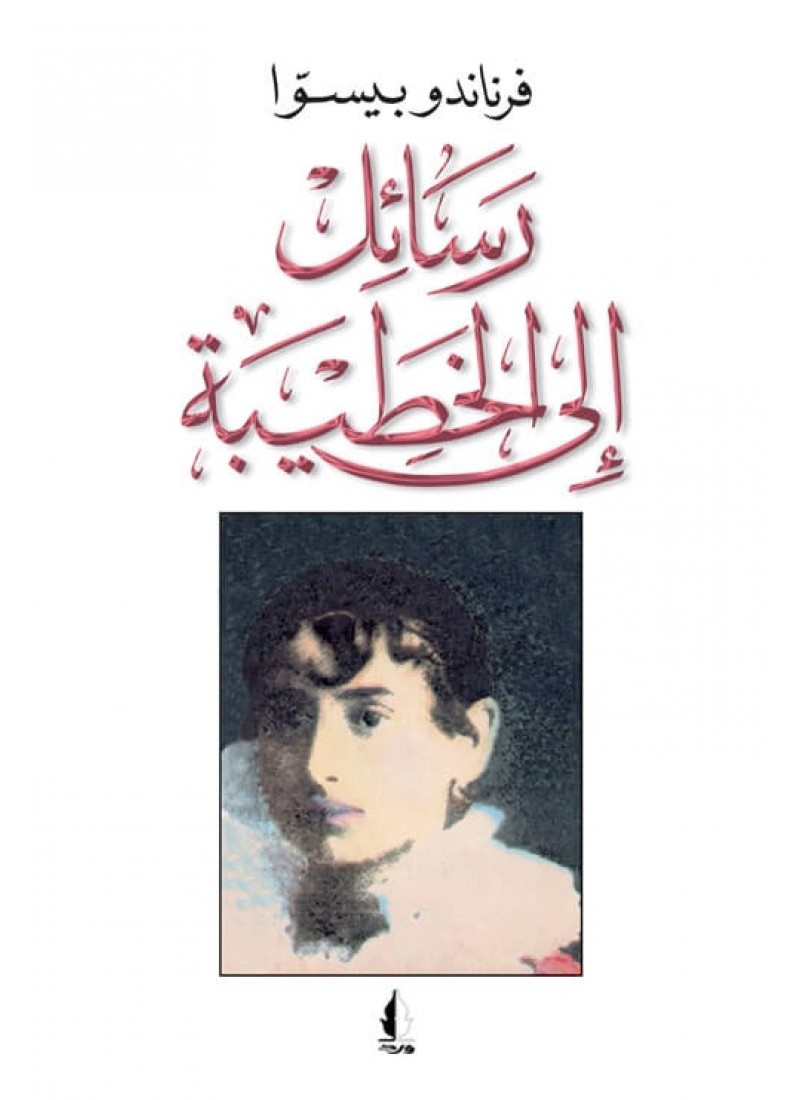



«قد لا يُخطئ من يقول عن فرناندو بيسوا إنه أحد «رواد» ذلك المزيج النادر من اندماج وتفاعل مختلف العناصر المتصادة، الإنسانية والثقافية والسلوكية والاجتماعية وسواها، التي لا سبيل إلى اندماجها في كيان بشري إلا بالمكايدات الشاقة سعيًا وراء تحقيق كينونة.. عابرة؟ في «ساعة إبليس» يقول بيسوا تعبيرًا عن ذلك: الإنسان لا يختلف عن الحيوان إلا في يعرف أنه ليس حيوانًا. إنه الضوء الأول الذي ليس أكثر من ديجور مرئي. الحيوان يُصبح إنسانًا بسبب الجهل الذي يولد فيه؛ والمعرفة هي لا وعي الجهل.» «ليست «أوفيليا» إلا المرأة الوحيدة المذكورة في حياة فرناندو بيسوا، هي وحدها الشاهدة على ألق ذلك الرجل العديد الأنوات، المتخفي -دائمًا كان- وراء أنداد بلا عدد، استطاع من خلالهم أن يصنع لذاته الواحدة أكثر من أفق. «أوفيليا» جمّعت رسائله الصغيرة في كتاب من الحجم الصغير، لتضعنا أمام دهشة أخرى من دهشات بيسوا. هذا النص كِدْتُ أفقِدُ نَرجِسيَّتي ليس إلا امتدادًا لتلك الدهشة وذلك العشق الذي سرعان ما انطفأ.»
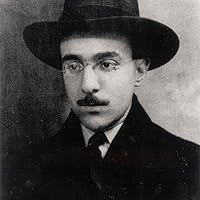
Author

Fernando António Nogueira Pessoa was a poet and writer. It is sometimes said that the four greatest Portuguese poets of modern times are Fernando Pessoa. The statement is possible since Pessoa, whose name means ‘person’ in Portuguese, had three alter egos who wrote in styles completely different from his own. In fact Pessoa wrote under dozens of names, but Alberto Caeiro, Ricardo Reis and Álvaro de Campos were – their creator claimed – full-fledged individuals who wrote things that he himself would never or could never write. He dubbed them ‘heteronyms’ rather than pseudonyms, since they were not false names but “other names”, belonging to distinct literary personalities. Not only were their styles different; they thought differently, they had different religious and political views, different aesthetic sensibilities, different social temperaments. And each produced a large body of poetry. Álvaro de Campos and Ricardo Reis also signed dozens of pages of prose. The critic Harold Bloom referred to him in the book The Western Canon as the most representative poet of the twentieth century, along with Pablo Neruda.