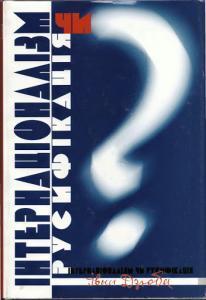



Цю працю Івана Дзюби світ читає вже більше 40 років. Безпосереднім поштовхом для написання цієї славнозвісної наукової праці стало проведення 1965 року в Україні низки сумнозвісних заходів. У серпні–вересні 1965-го року у Києві, Львові, Луцьку, Івано-Франківську та Тернополі були заарештовані близько трьох десятків молодих українських інтеліґентів. 4-го вересня у Києві під час прем’єри кінофільму Сергія Параджанова “Тіні забутих предків” до протестів проти політичних репресій закликали поет Василь Стус та літературознавець Іван Дзюба. Під впливом тих подій Іван Дзюба написав упродовж вересня–грудня працю під назвою “Інтернаціоналізм чи русифікація?”, в якій з марксистських позицій проаналізував національно-культурну політику радянської влади в Україні. Автор відправив свою роботу першому секретарю ЦК компартії України Петру Шелесту та голові уряду УРСР Володимиру Щербицькому, а її російський переклад – керівництву КПРС.
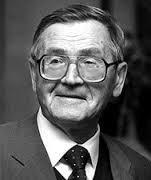
Author

Born into a peasant family. In 1932, Ivan's family, fleeing from the famine, moved from their home village to the nearby workers' village Novotroyits'ke for a short time. Later, they moved to Olenevski Quarry (now Dokuchaevsk), where Dziuba finished secondary school № 1. He graduated from Donetsk Pedagogical Institute, and pursued postgraduate studies in the Shevchenko Institute of Literature. His work was first published in 1959. In the 1970s, he was subjected to harassment for the views he expressed in some publications. For his work Internationalism or Russification? (London, 1968, and "Motherland" magazine (ukr. "Вітчизна"), 1990, No. 5-7), dealing with the problems threatening national relations in socialist society, he was sentenced to 5 years in prison and 5 years in exile. A special commission of the Central Committee of the Communist Party (Bolsheviks) of Ukraine called the work "lampoons on the Soviet reality, the national policy of the CPSU and the practice of communist construction in the USSR." Authorities accused Dziuba of undermining Soviet friendship of peoples, and fueling hatred between the Ukrainian and Russian peoples. With help from Oleg Antonov, Dziuba was pardoned and hired to work at the Antonov Serial Production Plant. Laureate of the Shevchenko Prize, O. Biletsky Prize, Antonovich Fund International Prize, Volodymyr Vernadsky Prize.