Margins
الغريب و قصص أخرى
1990
First Published
3.58
Average Rating
256
Number of Pages
Avg Rating
3.58
Number of Ratings
33
5 STARS
15%
4 STARS
39%
3 STARS
33%
2 STARS
12%
1 STARS
0%
goodreads

Authors

Albert Camus
Albert Camus
Author · 122 books

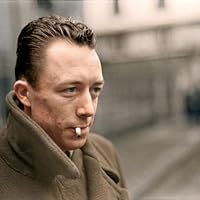
Works, such as the novels The Stranger (1942) and The Plague (1947), of Algerian-born French writer and philosopher Albert Camus concern the absurdity of the human condition; he won the Nobel Prize of 1957 for literature. Origin and his experiences of this representative of non-metropolitan literature in the 1930s dominated influences in his thought and work. He also adapted plays of Pedro Calderón de la Barca, Lope de Vega, Dino Buzzati, and Requiem for a Nun of William Faulkner. One may trace his enjoyment of the theater back to his membership in l'Equipe, an Algerian group, whose "collective creation" Révolte dans les Asturies (1934) was banned for political reasons. Of semi-proletarian parents, early attached to intellectual circles of strongly revolutionary tendencies, with a deep interest, he came at the age of 25 years in 1938; only chance prevented him from pursuing a university career in that field. The man and the times met: Camus joined the resistance movement during the occupation and after the liberation served as a columnist for the newspaper Combat. The essay Le Mythe de Sisyphe (The Myth of Sisyphus), 1942, expounds notion of acceptance of the absurd of Camus with "the total absence of hope, which has nothing to do with despair, a continual refusal, which must not be confused with renouncement - and a conscious dissatisfaction." Meursault, central character of L'Étranger (The Stranger), 1942, illustrates much of this essay: man as the nauseated victim of the absurd orthodoxy of habit, later - when the young killer faces execution - tempted by despair, hope, and salvation. Besides his fiction and essays, Camus very actively produced plays in the theater (e.g., Caligula, 1944). The time demanded his response, chiefly in his activities, but in 1947, Camus retired from political journalism. Doctor Rieux of La Peste (The Plague), 1947, who tirelessly attends the plague-stricken citizens of Oran, enacts the revolt against a world of the absurd and of injustice, and confirms words: "We refuse to despair of mankind. Without having the unreasonable ambition to save men, we still want to serve them." People also well know La Chute (The Fall), work of Camus in 1956. Camus authored L'Exil et le royaume (Exile and the Kingdom) in 1957. His austere search for moral order found its aesthetic correlative in the classicism of his art. He styled of great purity, intense concentration, and rationality. Camus died at the age of 46 years in a car accident near Sens in le Grand Fossard in the small town of Villeblevin. Chinese 阿尔贝·加缪

ألبير كامو
ألبير كامو
Author · 3 books
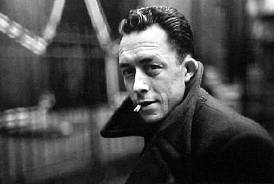
ألبير كامو (1913 - 1960) فيلسوف وجودي وكاتب مسرحي وروائي فرنسي مشهور ولد بقرية موندوفي من أعمال قسنطينة بالجزائر، من أب فرنسي، وأم أسبانية، وتعلم بجامعة الجزائر، وانخرط في المقاومة الفرنسية أثناء الاحتلال الألماني، وأصدر مع رفاقه في خلية الكفاح نشرة باسمها ما لبثت بعد تحرير باريس أن تحولت إلى صحيفة combat الكفاح اليومية التي تتحدث باسم المقاومة الشعبية, واشترك في تحريرها جان بول سارتر. ورغم أنه كان روائيا وكاتبا مسرحيا في المقام الأول, إلا أنه كان فيلسوفا. وكانت مسرحياته وروايت عرضا أمينا لفلسفته في الوجود والحب والموت والثورة والمقاومة والحرية، وكانت فلسفته تعايش عصرها، وأهلته لجائزة نوبل فكان ثاني أصغر من نالها من الأدباء. وتقوم فلسفته على كتابين هما ((أسطورة سيزيف)) 1942 والمتمرد1951 أو فكرتين رئيسيتين هما العبثية والتمرد ويتخذ كامو من أسطورة سيزيف رمزا لوضع الإنسان في الوجود، وسيزيف هو هذا الفتى الإغريقي الأسطوري الذي قدر عليه أن يصعد بصخرة إلى قمة جبل، ولكنها ما تلبث أن تسقط متدحرجة إلى السفح, فيضطر إلى إصعادها من جديد, وهكذا للأبد، وكامو يرى فيه الإنسان الذي قدر عليه الشقاء بلا جدوى، وقدرت عليه الحياة بلا طائل, فيلجأ إلى الفرار أماإلى موقف شوبنهاور : فطالما أن الحياة بلا معنى فلنقض عليها بالموت الإرادي أب بالانتحار، وإما إلى موقف اللآخرين الشاخصين بأبصارهم إلى حياة أعلى من الحياة, وهذا هو الانتحار الفلسفي ويقصد به الحركة التي ينكر بها الفكر نفسه ويحاول أن يتجاوز نفسه في نطاق ما يؤدي إلى نفيه, وإما إلى موقف التمرد على اللامعقول في الحياة مع بقائنا فيها غائصين في الأعماق ومعانقين للعدم, فإذا متنا متنا متمردين لا مستسلمين. وهذا التمرد هو الذي يضفي على الحياة قيمتها, وليس أجمل من منظر الإنسان المعتز بكبريائه, المرهف الوعي بحياته وحريته وثورته, والذي يعيش زمانه في هذا الزمان : الزمان يحيي الزمان.
548 Market St PMB 65688, San Francisco California 94104-5401 USA
© 2026 Paratext Inc. All rights reserved